Gyakori Kútdugulások és Megoldásaik Kútkamerázással

Common Well Blockages and Their Solutions with Well Cameras

Well blockages can cause a variety of problems, including water supply interruptions and pump damage. Well cameraing is an effective way to assess the condition of a well and identify blockages. In this guide, we will review the most common types of well blockages, methods for identifying and resolving them using well cameraing, and steps for preparing a well before cameraing.

The most common types of well blockages

  1. Accumulation of organic matter
    • Symptoms: Reduced water flow, pump problems.
    • Causes: Algae, bacteria, plant remains.
  2. Mineral deposits
    • Symptoms: Decrease in water pressure, difficult operation of the pump.
    • Causes: Calcium, magnesium and iron oxides.
  3. Sand and mud
    • Symptoms: Turbid water, rapid pump wear.
    • Causes: Sandy or silty soil layers.
  4. Collapse or crack in the wall of a well
    • Symptoms: Sudden decrease in water flow, pump damage.
    • Causes: Structural damage over time, poor installation.
  5. Foreign objects
    • Symptoms: Complete cessation of water flow, pump shutdown.
    • Causes: Entry of debris, tools, animals.

How can they be identified and resolved using well cameraing?

  1. Accumulation of organic matter
    • Identification: A well camera can be used to observe greenish or brownish deposits on the walls of the well.
    • Solution: Chemical cleaning or mechanical cleaning with high-pressure water jet.
  2. Mineral deposits
    • Identification: It can be seen on camera footage as a whitish, hard layer on the wall of the well.
    • Solution: Treatment with acid to dissolve deposits, followed by rinsing.
  3. Sand and mud
    • Identification: The camera shows the sandy or muddy layers at the bottom of the well.
    • Solution: By pumping or installing special sand filters.
  4. Collapse or crack in the wall of a well
    • Identification: Structural damage and cracks are clearly visible during the camera shooting.
    • Solution: If necessary, install a new casing or reinforce the well walls.
  5. Foreign objects
    • Identification: The camera clearly shows the presence of foreign objects.
    • Solution: Removal with special tools, such as pliers or a magnet.

How to prepare the well before well cameraing?

  1. Preliminary water level measurement: Measure the water level in the well and record it.
  2. Water quality control: Perform a water quality test to identify potential contaminants.
  3. Pump removal: Remove the pump so that the camera can move unhindered in the well.
  4. Preliminary cleaning: If possible, remove any larger dirt or debris from the well.
  5. Creating a camera plan: Let's make a plan of the steps of filming and any equipment that may be needed.

Well cameraing methods and equipment

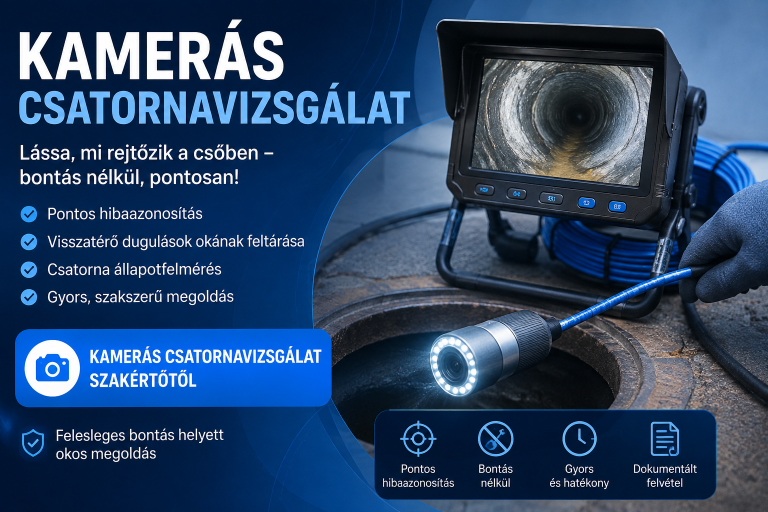
To perform well cameraing effectively, special equipment and appropriate techniques are required. Below we present the most important tools and methods.

Well Camera Equipment

  1. Cameras
    • Standard well cameras: Cameras with basic image recording function, suitable for viewing the inside of the well.
    • Panoramic cameras: They provide a 360-degree view, allowing the entire interior surface of the well to be inspected.
    • HD cameras: They capture high-resolution images that allow for more detailed examination.
  2. Lighting devices
    • LED lights: Powerful, long-lasting light sources that ensure adequate illumination in the well.
    • Directional lights: They allow for targeted illumination, especially useful for identifying cracks and damage.
  3. Cables and coils
    • Long cables: For connecting the camera and monitoring equipment, they are available in different lengths according to the depth of the well.
    • Motorized coils: They automatically wind and unwind the cable, making the filming process easier.
  4. Monitors and recording equipment
    • Live viewers: They provide immediate feedback on what the camera sees.
    • Fastening devices: Record videos and images for later analysis.

Well Camera Methods

  1. Basic visual inspection
    • Process: The camera is slowly lowered into the well, providing a live view of the inside of the well.
    • Purpose: Identify visible problems such as deposits, cracks or foreign objects.
  2. Detailed examination
    • Process: The camera gradually moves downward, stopping at various points in the well to capture detailed footage.
    • Purpose: Document problem areas in detail to allow for a more accurate diagnosis.
  3. Panoramic survey
    • Process: The panoramic camera continuously rotates and takes pictures, providing a complete picture of the internal condition of the well.
    • Purpose: Get a comprehensive picture of the well's structure and condition, including hidden problems.
  4. Special tests
    • Process: Examination with special tools, such as infrared cameras or ultrasonic equipment.
    • Purpose: Identify invisible problems, such as structural weaknesses behind walls.

Well blockage prevention and maintenance

Regular maintenance and inspection are essential to prevent well blockages. The following steps can help maintain the long-term operability of your well.

  1. Regular cleaning
    • Mechanical cleaning: Periodic mechanical cleaning to remove deposits.
    • Chemical cleaning: Cleaning with chemicals to prevent bacterial and mineral deposits.
  2. Water quality control
    • Regular water tests: Regular water quality checks help identify contaminants and the condition of the well.
    • Using water filters: Installing filters to reduce dirt and deposits.
  3. Well ventilation
    • Ventilation systems: Proper ventilation helps prevent the buildup of organic matter and keeps the well's internal environment fresh.
  4. Regular camera shooting
    • Annual camera shooting: It is recommended to have a camera inspection of the well at least once a year to identify potential problems in a timely manner.
    • Camera shooting as needed: If we notice any abnormalities (e.g. reduced water flow, cloudy water), we immediately perform a camera inspection.

Summary

Well camera inspection is an effective tool for assessing the internal condition of a well and identifying blockages. With proper preparation and the use of the right methods, we can ensure the long-term operation of the well and the preservation of water quality. Regular maintenance and inspection are key to preventing problems and avoiding costly repairs.

Segítségre lenne szüksége? Rám és csapatomra számíthat!

Similar Posts