Special cases: What to do if the toilet gets clogged repeatedly?
Frequent clogging of your toilet is not only an inconvenience, but it can also indicate serious problems. If traditional unclogging methods don’t work, it’s worth digging deeper and investigating the possible causes. In this post, we’ll look at three main areas: structural issues, dealing with limescale and other deposits, and checking and repairing the flushing system.
Possible structural problems
Regularly clogged toilets can often be caused by structural problems. Below are some common causes and solutions:
- Poor design of pipelines: If the pipes are installed incorrectly, for example with too sharp bends or an inadequate slope, it can easily lead to blockages. In such cases, it may be necessary to involve a professional to redesign and re-install the system.
- Weak pipe material: Old, worn out or poor quality pipes can also cause problems. These should be replaced from time to time to avoid regular blockages.
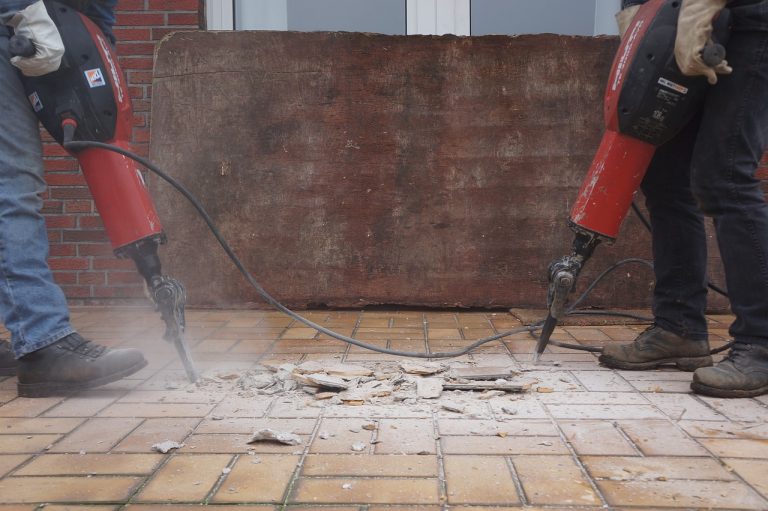
- Roots in the pipes: Tree roots often penetrate drains, causing blockages. In such cases, special tools and techniques can be used to remove the roots.
Treatment of limescale and other deposits
Limescale and other deposits can cause significant problems in your toilet's plumbing over time. To remove them, you should take the following steps:
- Regular cleaning: Use special descaling agents to regularly clean the toilet pipes. This will prevent the accumulation of deposits.
- Home methods: A mixture of vinegar and baking soda can be effective for removing minor deposits. Pour the mixture into the toilet, leave it for a few hours, then flush thoroughly.
- Mechanical removal: In more severe cases, it may be necessary to use mechanical tools, such as a pipe cleaning spiral, which effectively removes stubborn deposits.
Flushing system inspection and repair
Faults in the flushing system can also cause frequent blockages. Below are some inspection and repair steps:
- Checking the water volume: Make sure the flushing system is using the right amount of water for flushing. If it is using too little water, it will not be enough to effectively flush the pipes.
- Check valve and seals: The flush valve and seals may wear out over time. Check these parts regularly and replace them if necessary.
- Cleaning the rinse tank: Deposits that accumulate in the rinse tank can also cause problems. Clean the tank occasionally to ensure smooth operation.
Preventive measures
To prevent blockages, it is worth following some basic rules and performing regular maintenance steps:
- Avoiding flushing insoluble objects down the toilet: Never flush insoluble objects down the toilet, such as wet wipes, plastics, or large amounts of tissue paper.
- Regular maintenance: Occasionally use mild detergents and hot water to flush the pipes to prevent the formation of deposits.
- Using water-saving devices: If you are using a water-saving toilet, make sure the flush function is working properly and, if necessary, adjust it so that enough water is entering the system.
Summary
Frequent clogging of the toilet can be a serious problem, which can be traced back to various reasons. Structural problems, treating limescale and other deposits, as well as checking and repairing the flushing system can all contribute to solving the problem. If your own attempts do not lead to success, it is always worth contacting a specialist who can professionally and effectively handle the situation. By following the appropriate preventive measures, you can ensure the problem-free operation of the toilet in the long term.
With these steps and advice, we hope you can solve the problem of frequent toilet blockages and ensure uninterrupted daily use.
Nem sikerült megoldani a problémát? Ránk számíthatsz! Állunk rendelkezésedre!