When the sewage leaves the riverbed!
Wastewater is polluted water resulting from human activities, industrial processes and household activities. This type of wastewater must flow in a properly regulated, controlled channel to avoid causing harm to human health and the environment. Unfortunately, it is possible for wastewater to escape from its channel, which can cause serious problems.
What can cause sewage to leak out of the riverbed?
There are many possible reasons for sewage leaks, and some of them may include:
a) Excessive water volume: If there is a sudden large amount of precipitation or the urban sewage system is overloaded, the riverbed cannot cope with the flow of water, causing sewage to overflow from the sewer system.
b) Damage to the sewer system: Over time, the materials of the sewer system wear out and cracks, breaks or holes can develop through which sewage can easily leak.
c) Improper system design: Poorly designed or outdated sewer networks can cause faulty flow and leaks.
d) Root penetration: Tree and plant roots can penetrate the sewer system, clogging and damaging it, which can cause leaks.
e) Sewage leakage: Damage or breaks in the sewage pipes and drains around the house can cause sewage to leak into the ground or surrounding groundwater.
What damage can sewage leakage cause?
The release of wastewater can cause serious damage to both human health and the environment:
a) Health risks: Wastewater contains many pathogens, bacteria and viruses that can cause serious infections and diseases in the human body, such as diarrhea, typhoid and other similar diseases.
b) Environmental pollution: Chemicals, heavy metals, and plastics found in wastewater can contaminate surrounding soil and waterways, harming aquatic life and ecosystems.
c) Infrastructure damage: The leaky sewage It can damage building foundations, asphalt, sidewalks and roads, resulting in significant repair costs in the long run.
Congestion prevention solutions
There are several unclogging solutions available to prevent and treat wastewater leaks:
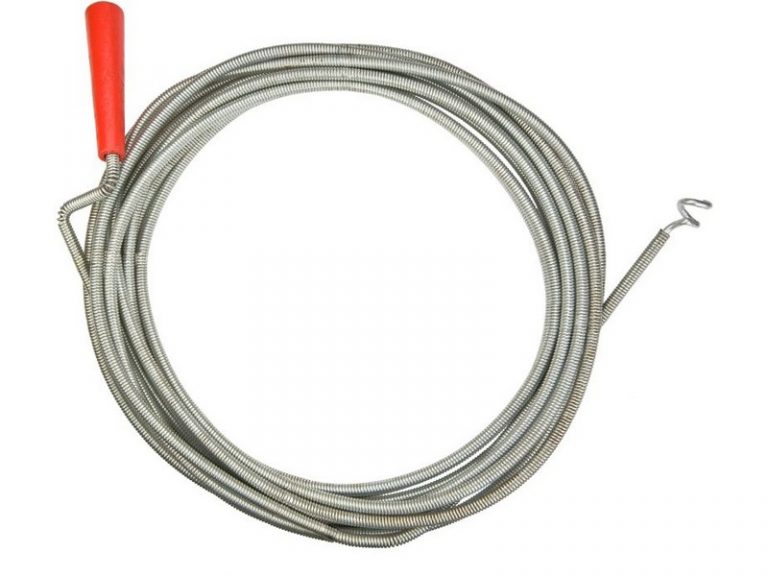
a) Regular maintenance: Regular inspection and maintenance of the sewer network and wastewater pipes maintenance It is essential to clean drains regularly to prevent blockages and leaks.
b) Root removal: Regularly checking and removing the roots of garden plants and trees near the sewer system helps prevent root intrusion and leaks.
c) Leak detection: Install leak detectors in the sewer network that provide timely notification of leaks and damage.
d) Modernization and design: It is important that the sewer network is designed according to the latest technologies and appropriate design principles to minimize the risk of sewage leakage.
e) Environmental awareness: Smart water use and an environmentally conscious approach help minimize the amount of wastewater that ends up in the sewer system.
Summary
Sewage leaks can pose serious health and environmental risks and cause significant infrastructure damage, so it is extremely important to take preventive measures to prevent sewage leaks and to act immediately if a leak is detected. Regular maintenance and the application of appropriate design principles are key to ensuring the proper functioning of the sewer network and the safe disposal of wastewater. to ensure.
Unclogging aspects are of paramount importance in the management of sewage leaks. Timely unclogging prevents blockages in sewers and drains, which can lead to leaks and spills. It is important to clean drains regularly to prevent dirt and deposits. In addition, the installation of so-called leak detectors allows us to immediately detect and treat leaks before they cause more serious damage.
Overall, wastewater discharges pose serious risks to health, the environment and infrastructure. Prevention and unblocking measures are key to ensuring proper wastewater disposal and environmental protection. Sustainable drainage and an environmentally conscious approach can help minimize the long-term problems caused by wastewater discharges and preserve our environment for future generations.