Grilling and clogging: why is it dangerous to pour grease down the drain?
Grilling is one of the most popular activities during the summer months. However, meals prepared in the garden, on the terrace or even at a gathering of friends can not only be a pleasant experience, but also cause unpleasant sewer problems if we do not pay attention to the proper disposal of kitchen waste. Fat and oil left over from grilling are one of the most common causes of fatty plug development, which over time can become serious sink clog and can even result in a complete drain blockage.
Many people think that pouring a little oil or grease down the sink is not a problem, as it flows easily through the pipes in its liquid state. However, the reality is quite different: grease sticks to the inside of the sewer system, deposits and, together with other impurities, gradually narrows the path of the water.
During the summer grilling season, it is therefore especially important to pay attention to what goes down the drain, as simple carelessness can easily lead to unpleasant and costly problems. kitchen drain cleaning maybe.
Why does it cause blockage fat and oil?
Grease and oil have special properties that make them dangerous for your drain system. While they are liquid when warm, you might think they will drain out of your pipes without any problems. However, when they cool, they solidify and stick to the pipe walls.
The greasy layer that forms inside the sewer pipes becomes thicker over time. Food residues, small dirt and deposits from washing up easily get stuck to this. The process can even lead to a complete blockage within months.
The most common consequences of fatty deposits are:
- slow-draining water in the sink,
- unpleasant odors from the drain,
- bubbling sounds in the pipes,
- returning polluted water,
- complete drain blockage.
Why is fatty clogging more dangerous in the summer?
During grilling season, kitchen usage tends to be more intense. More food is prepared, more dishes are washed, and more greasy messes are left around the sink.
Foods that contain higher amounts of fat are particularly common during the summer:
- grilled meats,
- pickled foods,
- oily salads,
- fried potatoes,
- sauces and marinades,
- dirt from cleaning greasy grill grates.
When cleaning a grill or baking pan, many people simply rinse the greasy surfaces in the sink. However, this can cause serious problems in the long run, as large amounts of grease quickly build up in the pipe system.
What should you not pour down the drain after grilling?
One of the easiest ways to prevent clogs is to be mindful of your kitchen waste. The following materials should never be poured down the sink:
Used cooking oil
Always collect leftover cooking oil separately and dispose of it properly. Even a small amount can cause deposits in the pipes.
Grill grease
Fat from meats and grease that collects on the grill tray can be particularly problematic. After cooling, it forms a solid layer that sticks to the pipe walls.
Fatty marinades and sauces
Residues from oily marinades, mayonnaise, or fatty sauces used for grilling can also contribute to blockages.
Food pieces
Grease alone can cause problems, but when combined with food debris, blockages can develop even faster. Smaller pieces stick to the grease layer, making the pipe's cross-section increasingly narrow.
How to prevent sink clogging during grilling season?
Prevention is a much simpler and cheaper solution than an established unclogging. A few simple habits can significantly reduce the chance of a kitchen blockage.
Always collect grease separately
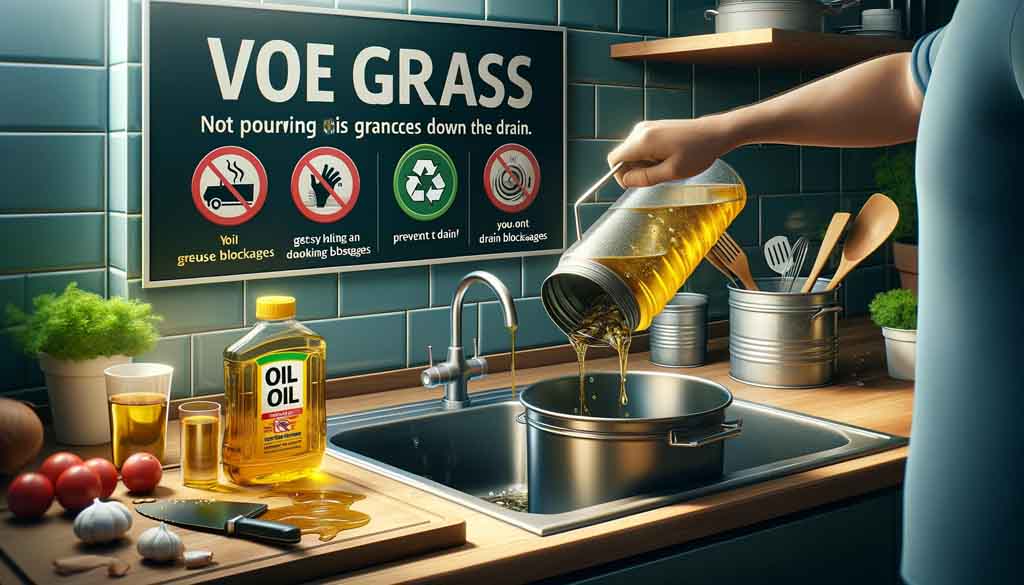
Do not pour excess oil and fat down the sink. Let it cool and then place it in a closed container or appropriate waste container.
Wipe the dishes before washing them.
It is a good idea to wipe very greasy plates, grill trays and utensils with paper towels before rinsing them with water. This can significantly reduce the amount of grease that goes down the drain.
Use a strainer in the sink
A drain filter prevents larger food particles from entering the pipes. It is a simple but effective way to prevent blockages.
Clean the drain regularly
Preventative cleaning can help remove minor buildup before it becomes a more serious problem. However, it is important to avoid overuse of chemicals, as some strong corrosive agents can damage pipes in the long term.
Why is home drainage not always enough?
If a significant amount of grease has already accumulated in the drain, home remedies are often not a real solution. Drain cleaners often only loosen part of the blockage, while deposits may still remain inside the pipe.
Recurring sink clogs usually indicate that the problem lies deeper in the system. In such cases, it is worth seeking the help of a professional who can use the appropriate tools to uncover and eliminate the real cause of the clog.
The professional kitchen drain cleaning Methods used during this process, such as mechanical sewer cleaning or high-pressure WOMA cleaning, also effectively remove stubborn greasy deposits.
When is it worth calling a drain cleaner?
It's not worth waiting until your sink becomes completely unusable. It's a good idea to take action at the first warning signs.
It is recommended to involve a professional if:
- the water is flowing down more and more slowly,
- an unpleasant smell coming from the drain,
- the blockage often returns,
- we hear strange sounds coming from the pipes,
- home methods do not bring results.
Summary: Grease doesn't belong down the drain
During grilling season, it's especially important to keep grease and oil out of your sink. While it may seem harmless at first, it can cause serious problems if it builds up in your pipes. fatty blockage, can cause unpleasant odors and costly repairs.
Conscious use, proper waste management and regular maintenance can help prevent sink blockage. However, if the problem has already developed, quick and professional kitchen drain cleaning can ensure the proper functioning of the sewer system.
Congestion after grilling season?
Grease and oil deposits can quickly cause serious sink blockages.
Don't wait until the drain is completely blocked - seek help from experienced professionals!
A quick and effective solution to kitchen blockages, grease deposits and drain problems.