The condominium blockage is one of the most common and unpleasant problems that residents can encounter. A clogged drain can not only result in unpleasant odors, slow drainage or an unusable sink, toilet and bathroom, but can also cause more serious damage if the problem affects the common sewer system.
However, in many cases the question arises: Who is responsible for clearing a blockage in an apartment building? The owner of the apartment, the common representative, or the apartment building itself? The answer depends on exactly where the fault is located and what part of the sewer system is affected by the problem.
Understanding the background behind apartment block blockages can help you find the right solution faster, avoid unnecessary costs, and prevent more serious failures later.
What can cause a block of flats?
The sewer system of apartment buildings consists of a complex network. Each apartment has its own drains, which are connected to a common system. If an obstruction occurs at any point, it can cause problems not only in a single apartment, but even on several floors.
The most common causes of apartment block blockages include:
1. Grease and dirt build-up in pipes
One of the most common enemies of kitchen drains is grease. Although many people think that hot water will wash the grease off the pipes, in fact, as the grease cools, it sticks to the pipe walls, where it forms a thicker layer over time.
You can add to this:
- food leftovers,
- detergent residues,
- small impurities,
- coffee grounds,
- other kitchen waste.
Over time, deposits narrow the diameter of the pipe, causing water to drain more slowly, and then a complete blockage may develop.
2. Discharging inappropriate materials down the drain
Many apartment block blockages could be prevented if residents paid attention to what goes down the drain.
They cause common problems:
- wet wipes,
- paper towels,
- hygiene products,
- hair knots,
- oil and fat,
- construction debris.
For example, a toilet is only suitable for materials that dissolve easily and move through the system. Unsuitable objects can easily get stuck in the pipes and can even cause a complete blockage.
3. Pipe blockage – when more than one apartment is affected
One of the most important parts of a condominium sewer system is the main vertical pipe that carries wastewater from multiple apartments to the central sewer system.
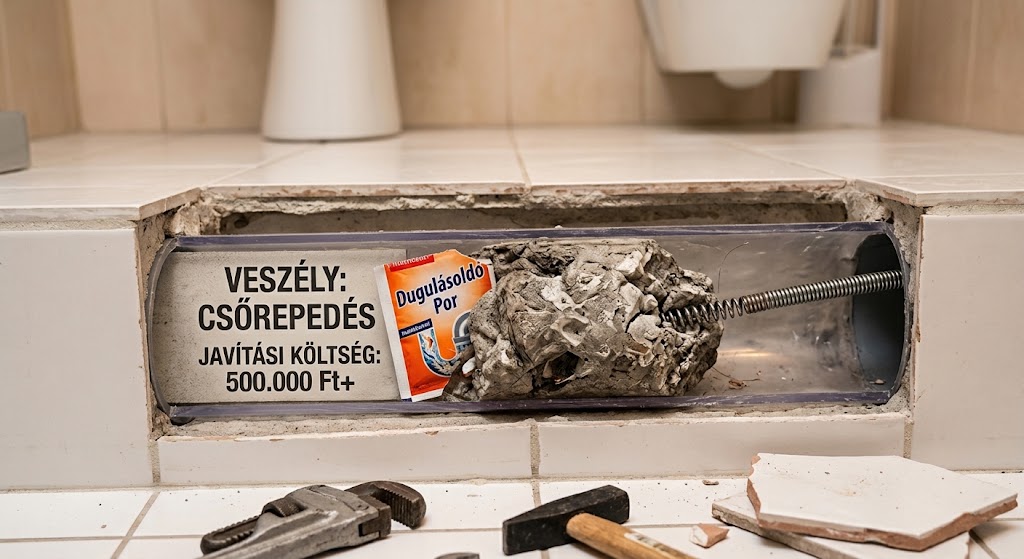
THE tight plug This can be particularly problematic because the fault does not necessarily occur in just one apartment.
Typical symptoms may include:
- Water is flowing slowly in several apartments at the same time,
- the toilets are backfiring,
- an unpleasant sewer odor appears,
- there is a backflow at lower levels,
- the drains are making strange noises.
The problem of a drain clog cannot usually be solved with simple home methods. In such cases, professional unclogging tools, such as mechanical cleaning or WOMA drain cleaning, may be required.
The difference between intra-apartment and common wiring
To understand the issue of liability, it is important to know that there are several types of sewer sections in an apartment building.
Indoor wiring
Internal pipes are those pipes that are used exclusively for the use of the property.
This may include, for example:
- sink drain,
- sink connection,
- shower or bathtub drain,
- Toilet connection,
- smaller pipe sections inside the apartment.
If the blockage is clearly located in this area, the owner or occupant of the apartment is usually responsible for the cost of the repair.
Common sewer lines
The pipes that serve multiple apartments are the common property of the condominium.
These could be:
- strand wires,
- main drains,
- common channel sections.
If the blockage is located in these parts, it is typically the condominium's responsibility to repair the problem, which can be financed from the common costs or from the funds available to the condominium.
Who is responsible for repairing a blockage in an apartment building?
Responsibility always depends on the blockage where is its exact location?.
If the problem only affects one apartment
If the blockage occurs only in one apartment, and the fault is located in the pipe section inside the apartment, then it is usually the owner's responsibility to repair it.
For example:
- clogged sink,
- clogged shower drain,
- Toilet blockage in the section inside the apartment.
If the problem occurs in multiple apartments
If the same problem is experienced on multiple floors or in multiple apartments, there is a high chance that a common sewer problem is the underlying problem.
In this case, it is advisable to:
- to notify the common representative,
- check if other residents are also experiencing the error,
- seek professional help for accurate troubleshooting.
Quick intervention is important because a common sewer blockage can cause even greater water damage.
What to do in case of a blockage in an apartment building?
When faced with a blockage, many people immediately resort to strong chemicals, but this is not always the solution. This is especially true if the problem is in the shared system of the apartment building.
The following steps are recommended:
1. Watch for symptoms
It is worth examining:
- Does the blockage only occur in one place?,
- whether several apartments are affected,
- Is there backflowing water?,
- Is there a sewer smell?.
This can be important information for the professional.
2. Notify the common representative
If you suspect that a common wire or branch wire is affected, you must definitely report the problem to the condominium representative.
3. Seek expert help
An experienced drain cleaning specialist You can quickly determine where the blockage is and how to remove it.
When should you call a professional?
Not all blockages can be solved with home methods. Professional help is recommended, for example, if:
- the blockage returns regularly,
- several drains slow down at the same time,
- Water is flowing back from the toilet,
- an unpleasant sewer odor appears,
- pumping and home cleaning do not bring results,
- the problem is probably in the string line.
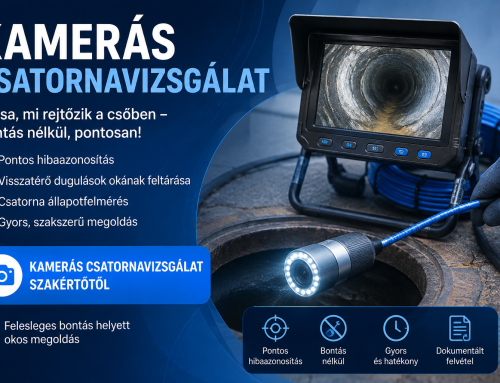
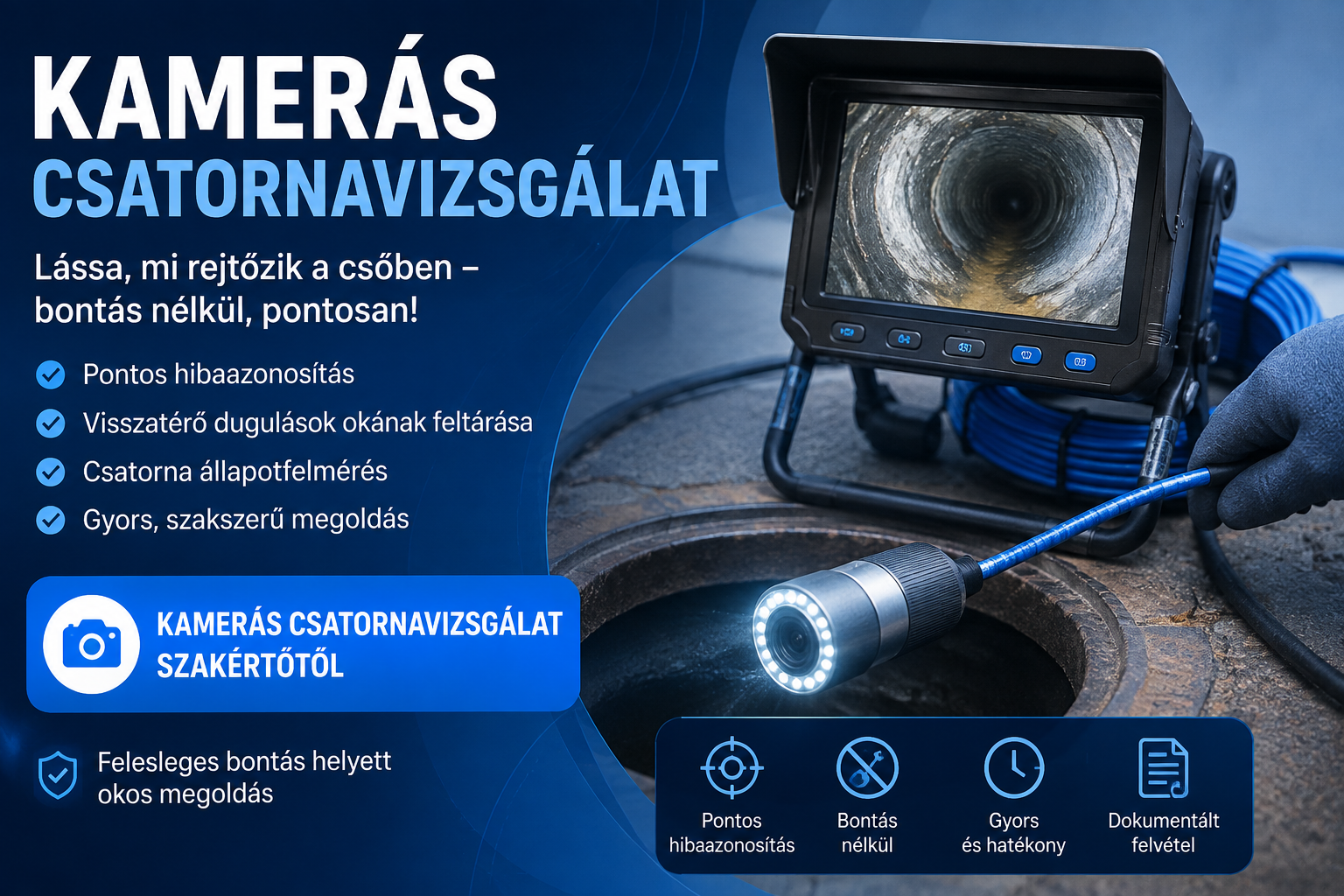
During professional blockage removal, specialists work with modern tools. With the help of a camera sewer inspection, the location and cause of the blockage can be precisely determined, thus avoiding unnecessary demolition.
WOMA sewer cleaning uses a powerful, high-pressure water jet to remove stubborn deposits, greasy dirt, and other obstructions from the pipe system.
How can apartment building blockages be prevented?
Prevention can save residents from a lot of inconvenience and expense.
By following a few simple rules, the chance of blockage can be significantly reduced:
- do not pour oil and grease down the drain,
- use a drain filter,
- Don't throw wet wipes down the toilet.,
- clean the drains regularly,
- pay attention to the slowing drainage,
- Have old sewer systems checked periodically.
Summary
Blockages in a condominium are not always a problem for just one apartment. The cause of the fault can be a simple drain blockage, or even a more serious common sewer problem or a blocked drain. Responsibility for the repair depends on whether the fault affects the pipe within the apartment or the common system of the condominium.
If you are experiencing a problem affecting multiple apartments, are struggling with recurring blockages, or are unable to remove the obstruction, it is worth seeking professional help as soon as possible. Rapid troubleshooting and the use of appropriate technology will not only eliminate the blockage, but also help maintain the condition of the sewer system in the long term.
Our team of experts They help you eliminate blockages in your apartment building with modern tools, experience, and effective solutions. If you experience a problem, don't wait until a minor inconvenience turns into more serious damage - seek expert help in a timely manner.
Is there a traffic jam? Find out the expected costs in advance!
Use our online drain cleaning price calculator and quickly see how much it will cost you.,
what prices you can expect based on the type of problem.
Quick information • Transparent prices • Expert help