Sewer cleaning in Szigethalom
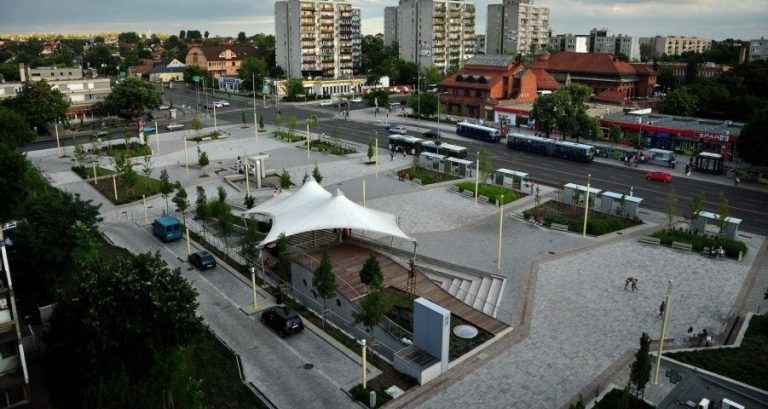
Szigethalom is located just 12 km from our capital. The settlement, with nearly 17 thousand inhabitants, is a defining city of the South Budapest agglomeration. Its modern history and development have been largely determined by its favorable geographical location, as several industrial plants were established in its area after World War II. Today, the city has nearly 17 thousand inhabitants, but Szigethalom continues to develop dynamically thanks to its favorable geographical location and excellent infrastructure.
From the Bronze Age to the Modern Age
Like many settlements in the area, Szigethalom has been inhabited for thousands of years. The oldest finds show that people lived here as early as the Bronze Age. However, the history of the settlement – then still called Tököl-Szilágyitelep – only begins in the 19th century, when the first houses were built here; until then, only neighboring Tököl had permanent residents. Until the mid-modern era, the area of the settlement was used as a protective pasture by the farmers of Tököl.
The Ráckeve HÉV brought about a major change in the life of the settlement. With the direct, fixed-track connection to the capital in 1908, Szilágyitelep became very attractive for both private individuals and investors. After the First World War, the development of the settlement accelerated rapidly. New industrial plants were established and numerous local construction projects began: by 1940, the Tököl airport and the Danube Aircraft Factory located next to it were also completed.
From independent settlement to city status
Unfortunately, precisely because of the proximity of the military facility, Tököl-Szilágyitelep could not escape the bombings during the Second World War. However, after the Allied victory, the Soviets restored the industrial facilities. The development of the settlement was further boosted by the construction of the Csepel Car Factory in 1949, which offered attractive job opportunities for those who moved here. As a result of the large-scale population growth, Szilágyitelep was granted independent settlement status in 1950 – separated from the city of Tököl – and a year later the village's name was changed to Szigethalom.
Within just a decade, significant infrastructural developments took place in the settlement: among other things, a new elementary school, kindergarten, and police office were built, and a local bus service was launched. Although unemployment temporarily increased in the nineties due to the bankruptcy of the Szigethalom factories, the town has now overcome the difficulties of the post-revolutionary period. The population of Szigethalom is still growing rapidly today, and since July 1, 2004, the settlement has been granted city status.
From flooding to root ingrowth
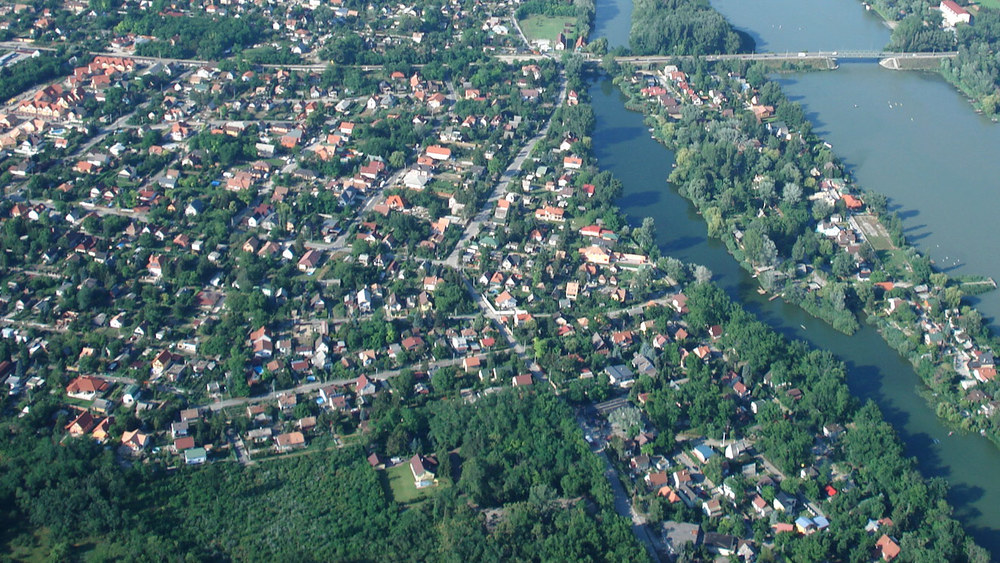
In terms of sewer cleaning problems, the region is clearly defined by its proximity to the Danube and the suburban character of the region. Typically, our specialists – in addition to the sewer cleaning problems common in suburban areas – are faced with the problem of flooding and root ingrowth during their work. However, when we are called to Szigethalom, according to our experience, we have to perform septic tank suction less often. Thanks to the fact that the local water management association made the city's sewer system complete by 2002.
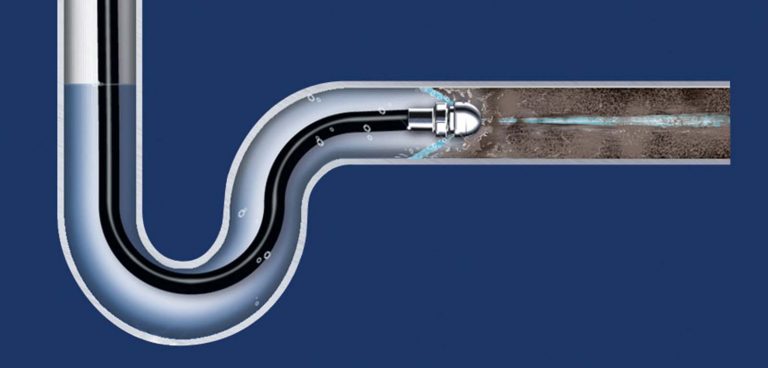
Our company provides efficient and long-term sewer cleaning services in the Szigethalom area for all its customers. If you choose us, we will provide you with truly professional work in exchange for fair pricing. It is not an obstacle if it takes place on a weekend or a holiday. blockage vagy vízelöntés otthonában, hiszen szakembereink készen állnak arra, hogy megoldják az ezzel kapcsolatos gondokat. Kérjük, hogy ebben az esetben a 06 70 744 4444-as telefonszámunkat tárcsázza, majd a lehető legrészletesebben számoljon be kollégánknak a blockage the time of occurrence, its presumed location and cause. Depending on the time of day and our workload, our staff will arrive at the location within 40-60 minutes of the problem being reported to begin the repair. channel Our company undertakes to solve problems related to toilets, sinks, septic tanks and drains in the capital, as well as in more than forty agglomeration settlements, in addition to the city of Szigethalom.