THE blockage It never comes at a good time, but it doesn't matter where it happens: in a panel house or a family house. Based on the differences in the pipe systems, the access options, and the common errors, there are significant differences between the two building types. In this article, we will show you, based on experience, what to look out for when faced with such a problem.
1. Construction of piping systems – common or unique?
In the case of panel houses:
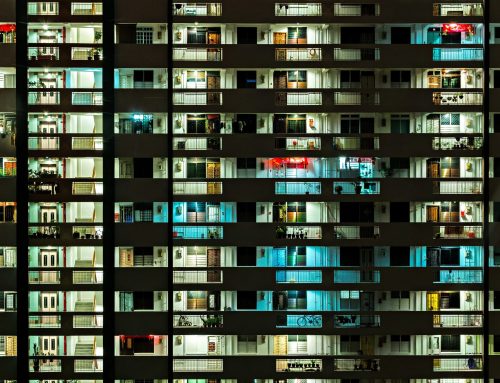
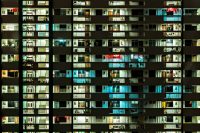
Most apartment buildings have cast iron or eternit pipes built between the 1960s and 1980s, which have become outdated over time. The sewer system here is typically common, meaning that the water from neighboring apartments also exits through the same branch.
This division results in two things:
-
If something gets stuck in one of the apartments, it's easy may have repercussions also to those above or below.
-
The system is a “shared responsibility,” so it’s not always clear who is at fault – or who will pay for the repairs.
In family houses:
Here is the whole system custom-made, and is most often built with modern PVC pipes. The blockage thus only affects the owner's own household, there are no "neighboring side effects". The advantage is that the owner can be shaped more freely out its system, and modern technologies can be applied more easily.
2. Accessibility – a question of installation
In panel:
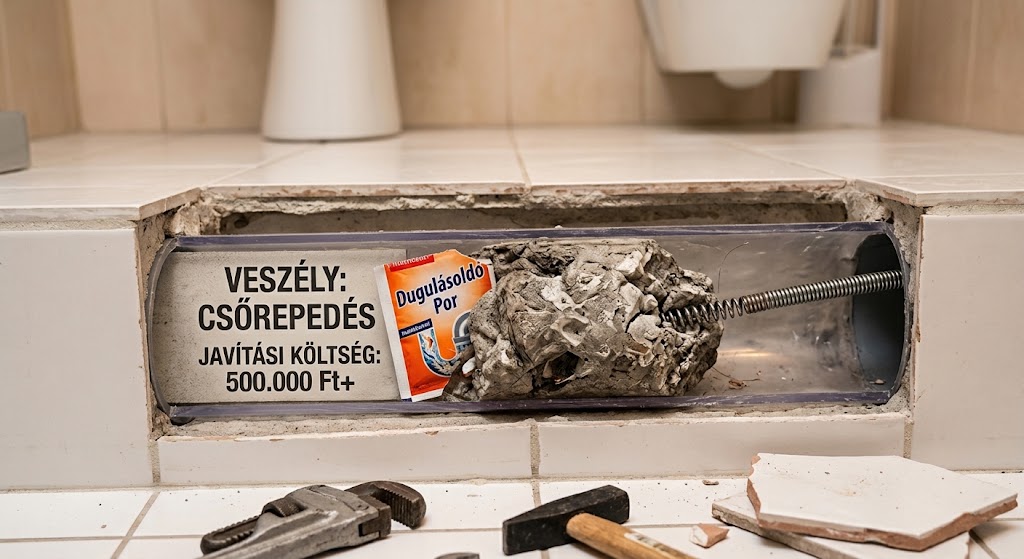
Most water pipes are built into walls, often covered or walled in. This means that the exact location of the blockage can often only be reached by major demolition – this is especially true for drains or old drains. It is also common for the wall section behind the toilet to be “boxed off”, which makes installation significantly more difficult.
In a family house:
Access is generally easier, as water pipes often run in basements, under floors or outside walls. Outdoor service pipes, manholes, and cleaning holes are more often accessible, allowing the technician to work faster. In addition, the owner can create additional access points themselves.
3. Common errors – different problems for the two types
Errors experienced in the panel:
-
Greasy deposits from dishwashing in the common thread.
-
Foreign materials in the toilet (for example, wet wipes, pads), which can clog not only your own system, but also the system of other apartments.
-
Slow flow in several apartments at the same time, since the blockage was not local, but occurred in a common section.
-
Lack of ventilation – panel pipes are often not properly ventilated, which can create a vacuum that “sucks out” the odor-blocking water layer.
Typical defects in a family house:
-
Rooting in underground pipes, especially old concrete pipes.
-
Poorly designed slope, which prevents proper water flow and creates stagnant water.
-
Home assembly errors – for example, lack of a siphon, pipe sections that are too long or too thin.
-
Seasonal problems, such as freezing or rainwater backflow.

4. Anti-clogging options and advice
In panel:
-
It is important to regular maintenance – for example, rinsing with hot water, using grease removers.
-
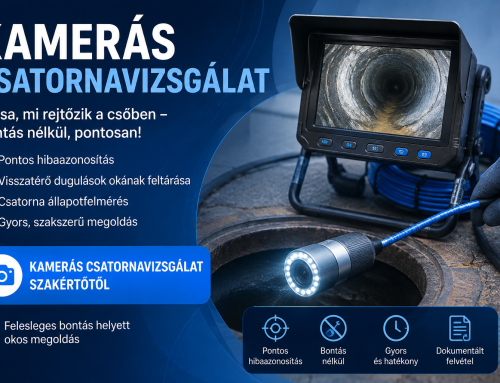
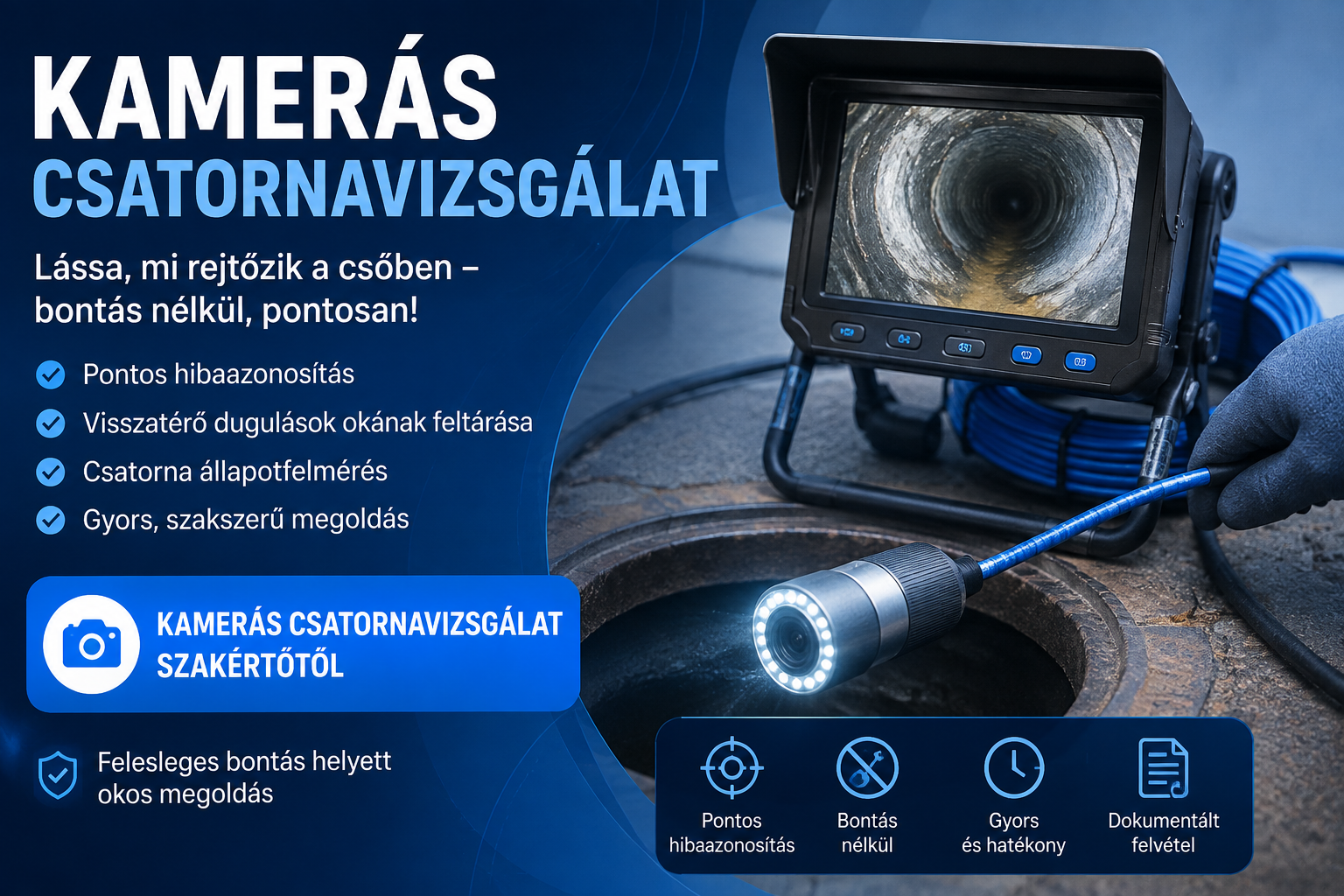
It's worth it sometimes camera sewer inspection especially if there are recurring problems.
-
The blockage professional termination is crucial because neighboring apartments may also be affected.
-
Too many chemicals should be avoided, as they can damage cast iron pipes in the long run.
In a family house:
-
THE regular inspection of outdoor cleaning openings can prevent a lot of trouble.
-
If root ingrowth is suspected, it is worth with channel cameraing to check the system.
-
When renovating, it is always worth Design the piping system with a professional, not just “as it comes out”.