Recurring blockages are one of the most frustrating problems that property owners can face. In many cases, everything seems to be fine: the drains are clean, the system has been flushed several times, yet the problem keeps recurring. In such cases, most people suspect deposits, grease or foreign matter, when in reality there is often a much more complex and less visible problem: inadequate drainage. slope.
Causes of recurring blockages – deposits are not always the culprit
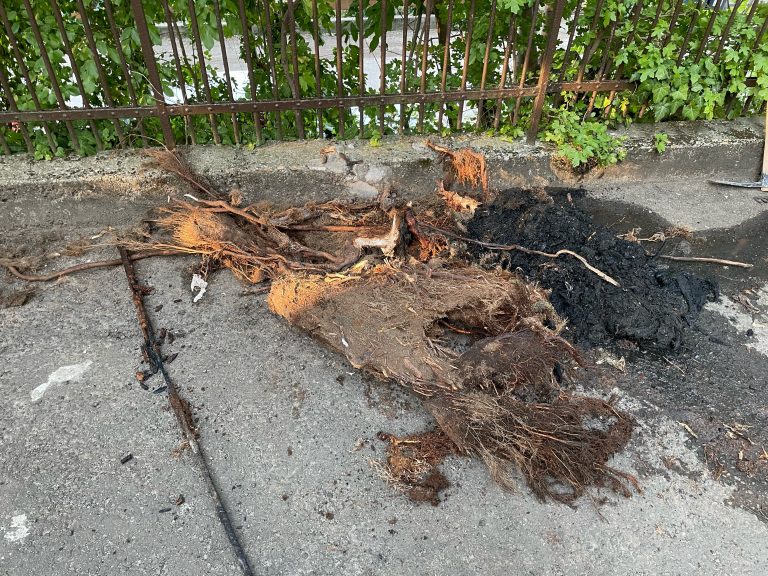
Most classic blockages are indeed related to dirt, but if the problem recurs regularly, it's worth digging deeper. If a freshly cleaned drain becomes clogged again within a short time, it's almost a sure sign that the root cause is not deposits, but a structural defect.
In such cases, we often encounter the fact that the wastewater cannot flow at the right speed in the pipe. As a result, the more solid materials settle down and then cause blockages again over time. The reason for this phenomenon is most often the inadequate slope, which fundamentally determines the operation of the system.
Bad slope – when water doesn't carry away dirt
One of the most important technical parameters of a sewer system is the slope. This ensures that the water moves at the right speed and carries the dirt with it. If the slope is too small, the water slows down and is unable to carry away the sediment. If it is too large, the water flows too fast, while solids are left behind and deposited.
Both cases lead to problems. Blockages caused by improper slope are particularly insidious because at first glance the system appears to be working. The water is draining, but not properly. This leads to ongoing problems in the long run, which become more frequent.

Case study: newly built house, yet a constant problem
It is a common misconception that sewer problems cannot occur in newly built properties. However, practice shows otherwise. In the case of a newly completed family house, for example, blockage problems appeared in the first few months. The owner had the system cleaned several times, but the problem always returned within a short time.
A detailed inspection revealed that the channel did not have the proper slope in several sections. In some places it was too flat, and in others there were small „sit-ins” in the pipe. At these points, dirt constantly accumulated, which from time to time caused complete blockages.
The problem was not caused by use, but by a manufacturing defect. These types of defects are particularly dangerous because there is nothing to indicate them on the surface.
How is the fault detected? The role of camera inspection and slope measurement
Modern technology is now available to uncover hidden sewer defects. Self-propelled camera sewer inspections allow us to get an accurate picture of the internal condition of the pipe. The camera can be used to identify deposits, damage, root growths and other obstructions.
Slope measurement goes even further. With special instruments, it is possible to determine with millimeter accuracy whether the channel meets the required values. The data obtained during the measurement clearly shows where problem sections are located and where the system deviates from ideal operation.
The combined use of the two methods ensures an accurate diagnosis. It is not a matter of guesswork, but of fault detection based on specific, measurable data.
Why is proper slope key?
The slope of the sewer is not just a technical detail, but the basis for the functioning of the entire system. If it is not designed properly, problems are inevitable. Recurring blockages, unpleasant odors and slow drainage can all be consequences.
The right slope ensures that wastewater flows continuously and without obstructions, preventing deposits from forming. This not only increases comfort, but also saves you significant costs in the long run.
What can you do if you also have a relapse? blockage?
If the blockage recurs regularly, it is worth consulting a specialist and not just treating the symptoms. A camera canal examination and slope measurement can quickly and accurately identify the real cause of the problem.
Don't wait until the problem gets worse. Hidden sewer problems can cause serious damage and significant costs over time.
If you want to know for sure what is behind the recurring blockage, request a professional sewer inspection and slope measurement from the experts at magyarendre.hu. An accurate diagnosis is the first step towards a lasting solution.