
Most people call us after a storm – this is the damage caused by summer floods
Many people associate the summer season with sunshine and outdoor activities, but we are increasingly experiencing sudden, intense thunderstorms and downpours. As much rain can fall in a single hour as previously in an entire month. Such extreme weather events place a serious strain on the drainage systems of properties, and it is not uncommon for heavy rain to immediately follow. anti-clogging professional help is needed.
In our experience, the busiest time is always the hours and days following major summer storms. At this time, reports of flooded basements, back-up drains, clogged yard drains, and overflowing gutters are all coming in. These problems could often be prevented with regular maintenance and timely cleaning.
Why are summer thunderstorms such a big problem?
Sewer systems are usually designed for average rainfall. When an extremely high amount of rain falls in a short period of time, all elements of the drainage system are put under enormous strain at once. When this is combined with clogged gullies, gutters full of leaves or pipes narrowed by deposits, problems are almost inevitable.
In this case, the water cannot drain away at the right speed, so it backs up, overflows, or even finds its way into the building.
Yard gullies are the first line of defense
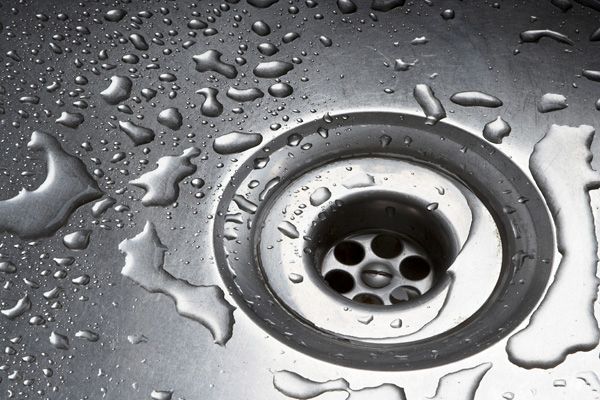
The purpose of yard drains is to quickly drain rainwater that collects on paved surfaces. However, they are constantly exposed to contaminants from the environment.
During the summer, it is particularly common for the following substances to end up in the sinkhole:
- leaves
- smaller branches
- flower petals
- powder
- sand
- mud
- gravel
- other garden waste
If these build up, they significantly reduce the flow of water. During a major downpour, so much water can accumulate in just a few minutes that the clogged gutter is unable to drain.
This can result in flooding of the yard, flooding of the garage entrance, or even continuous soaking of the building's foundation.
Leaves don't just cause blockages in the fall
Many people think that leaves are only a problem during the fall months. However, this is a misconception.
During a strong windstorm in the summer, a lot of leaves, broken branches and plant debris can get into the gutters and yard drainage system. Heavy rain can carry them further, where they can easily accumulate into a larger blockage.
Properties with large canopy trees near the roof or sewer system are particularly at risk.
The gutter Regular cleaning therefore not only serves to preserve the condition of the building, but is also a basic requirement for the proper functioning of the sewer system.

Sand and mud are insidious enemies
Summer thunderstorms are often preceded by strong winds. The wind moves large amounts of dust, sand, and other fine-grained dirt, which is immediately washed by rainwater into drains and canals.
Sand is particularly dangerous because it does not float on the surface of the water, but settles to the bottom of the pipeline. Over time, a thick layer of sludge forms, which continuously reduces the cross-section of the pipe.
This is in the long term:
- results in slower drainage,
- may cause unpleasant odors,
- increases the chance of recurring blockages,
- burdens the entire sewer system.
High-pressure sewer cleaning is often required to remove such deposits.
Flooded basements – one of the most expensive consequences of the storm
One of the most serious problems we encounter after summer storms is a flooded basement.
If the sewer system cannot handle a sudden surge of water, the water will flow in the direction of least resistance. This often happens through basement drains, manholes, floor drains, or older sewer connections.
A flooded basement is not only an inconvenience.
Serious damage can occur:
- stored values may be destroyed,
- the electrical network may be damaged,
- mold may appear,
- the structural condition of the building may deteriorate,
- significant recovery expenditures may arise.
In many cases, even a few centimeters of water can cause damage worth hundreds of thousands of forints.
Backflow – when water goes the wrong way
A clogged drain is always a warning sign.
If the property's sewer system is unable to drain the water, it may back up through drains, floor drains, or outdoor sumps.
This may be due to:
- pipe blockage,
- root ingrowth,
- fatty deposits,
- accumulation of sand and mud,
- damaged pipeline,
- overloaded public sewer.
The sooner the problem is discovered, the less chance there is of water causing more serious damage to the property.
The condition of the gutter plays a key role
The gutter is a much more important part of a property's drainage system than many people think.
If it becomes clogged with leaves or debris, the large amount of water coming from the roof cannot drain properly. As a result, the water overflows over the eaves, soaking the facade, the baseboard, and the surrounding area of the building.
In the long term, this can lead to dampness, plaster defects, mold growth, and damage to the foundation.
Regular gutter cleaning is therefore at least as important as maintaining the sewer network.
How can storm damage be prevented?
Although we cannot control extreme weather, several steps can be taken to significantly reduce the chance of serious damage.
It is worth regularly:
- clean the gutters,
- check the yard drains,
- remove leaves and debris,
- if necessary, have high-pressure sewer cleaning performed,
- to assess hidden defects with a camera sewer inspection,
- Inspect the entire drainage system after major storms.
Preventive maintenance is always much less expensive than repairing a flooded basement or an entire sewer system.
Summary
Summer torrential rains pose an increasing challenge to the drainage systems of single-family homes and condominiums. Clogged yard drains, leaf piles, sand and mud deposits, and neglected gutters can all contribute to water not being properly drained.
If the water drains slowly after a storm, unpleasant odors appear, the sewer is clogged, or water appears in the basement, it is worth contacting a professional as soon as possible. Timely unclogging and sewer cleaning will not only eliminate the inconvenience, but can also protect the property owner from significant financial damage.
Don't wait until the next storm causes serious damage!
A clogged drain, a neglected gutter, or a partially blocked drain can cause serious problems during even a single summer rainstorm. Regular inspections and timely gutter cleaning can prevent significant repair costs.
If the water is draining slowly, the sewer is backed up, the basement was flooded by the storm, or you would like to have your system inspected before the next heavy rain, contact Magyar Endre Clog Removal with confidence. to its specialists!
Is the drain clogged? Did the storm flood the basement?
Don't wait until the problem causes even more damage! With fast response, modern tools, and years of professional experience, we can help you clear blockages and restore your sewer system.