Unclogging – Why are grease traps important?
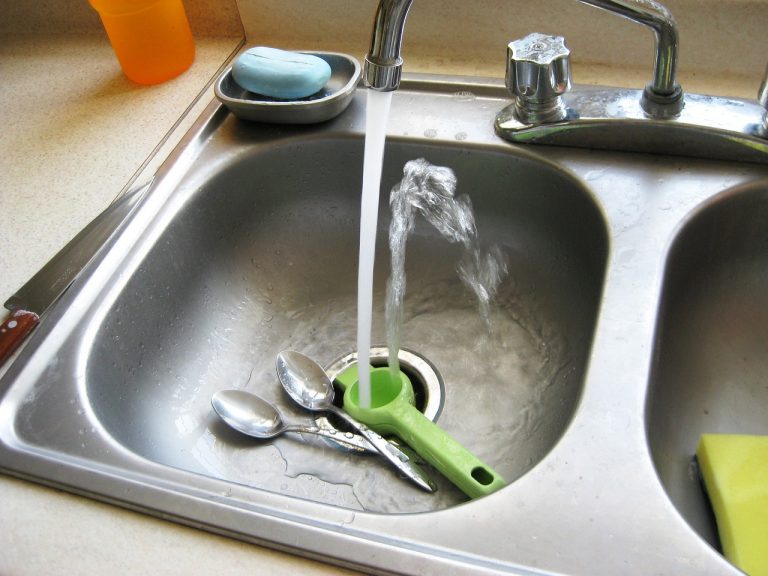
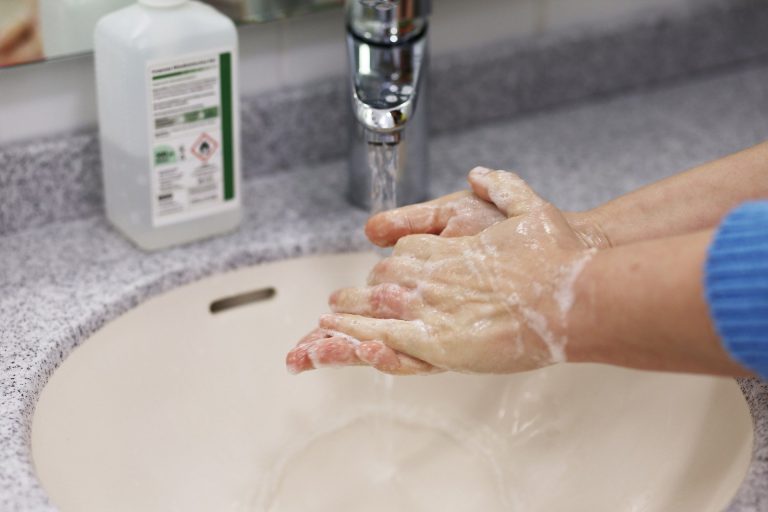
When we are called to a household blockage, one of the most common problems is usually a clogged sink. It is no wonder, since the sink is a major „traffic” in our homes. Indeed, it often happens that some of the food residue ends up in the sink, which in the long run has the direct consequence of clogging the structure! In the case of our household, we can only help this by making sure to rinse the dishes beforehand. This way, glasses and plates can go into the sink free of larger particles.
Let's protect our environment with a grease trap!
In the case of large-scale kitchens, however, due to the volume of traffic, we have to choose a different solution: a grease trap, or – as it is also called – a grease trap.
Usually, there is not enough space in apartments to install a grease trap. On the other hand, in the case of industrial kitchens, it is advisable to use the structure, the primary reason for which is: protecting our environment.
Just think about it: if an average-sized family "produces" 150-250 liters of wastewater per year just by washing dishes, what an environmental burden this can pose in a kitchen with many times the traffic! It is no coincidence that the relevant legislation also makes the use of grease traps mandatory in the kitchens of restaurants and other catering facilities where wastewater with a high oil and fat content is generated.
Let's prevent congestion!
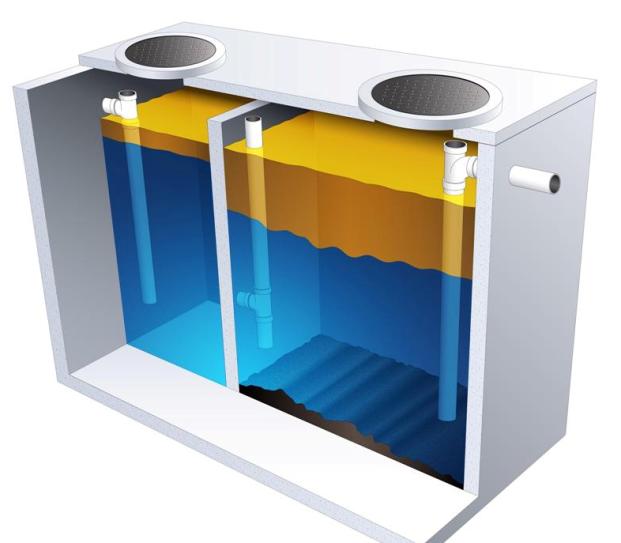
The operating principle of the grease trap is simple: the tank separates liquid and solid contaminants based on the specific gravity of the materials. Since solid food residue is collected in a separate tank, larger particles do not have to pass through the sewer system.
Let's keep the sewer system clean!
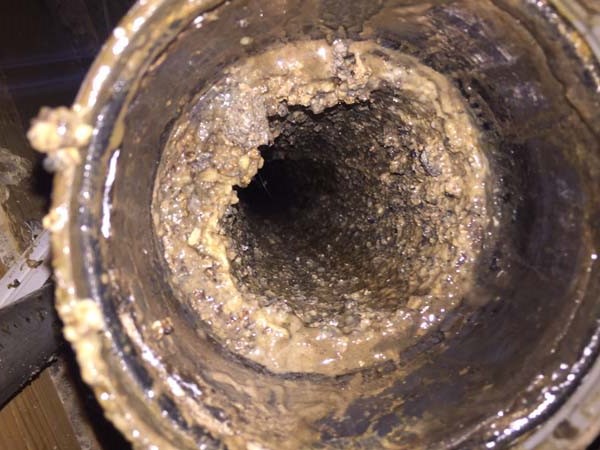
It is a simple structure, the use of which has several advantages. On the one hand, in industrial kitchens, we can save ourselves from blockages caused by food residues and the unpleasant odors that come with it. On the other hand, since solid materials do not burden the sewer network, we can prevent the pipeline from becoming greasy or silted up in the long term, as well as channel premature corrosion of the wall. Of course, the already mentioned aspect cannot be neglected either, namely that by filtering fats and oils, we do not burden our environment.
We can choose from a variety of solutions!
The equipment itself can be made of several materials. The most common is a grease trap made of stainless steel, but structures made of PVC and polypropylene (PP) are also popular. It is very important that the tank is installed specialist perform, as the structure requires foundation and concreting for its safe operation. Roughly speaking, depending on the type of equipment and the labor cost, we can expect an amount between 50,000 and 150,000 forints.
The grease separator can be built both above and below ground, although the most common solution is sink built-in structure.
Let's pay attention to regular maintenance!
In order for the grease trap to fully perform its task, it is extremely important to clean the equipment regularly. Ideally, grease traps should be cleaned monthly, but at least quarterly, depending on the kitchen traffic. The process itself is similar to vacuuming a septic tank, and the grease separation equipment is usually carried out here with a suction and washing tank truck developed for this purpose.
Let's call a professional to clean the grease trap too!
Please note that strict regulations must be followed when cleaning grease traps. According to the relevant occupational health and safety regulations, the extraction, transportation and disposal of the grease-sludge waste mixture must be ensured. It is therefore advisable to entrust the related tasks to a specialist, as this way we can avoid serious penalties.
According to the currently effective Government Decree 220/2004. (VII. 21.), which provides for the rules for the protection of surface water quality, our business may be subject to a sewerage fine of up to several hundred thousand forints if we do not properly clean the grease separator.