avada-plumber@2x

How do you protect outdoor sewers and drains from frost damage?

Winter weather puts a serious strain not only on heating systems, but also on outdoor sewers and drains. Frost damage often remains hidden until a serious blockage, backflow or even a burst pipe develops. Experience has shown that winter maintenance of outdoor sewer systems is one of the most important steps in preventing costly repairs.

The most common signs of a frozen sewer

Signs of freezing often appear gradually. The first warning sign is usually a slowdown in drainage, when rainwater or wastewater cannot drain away at the proper rate. Often, there is also a gurgling sound and unusual odors, which indicate that a partial blockage has developed in the pipe.

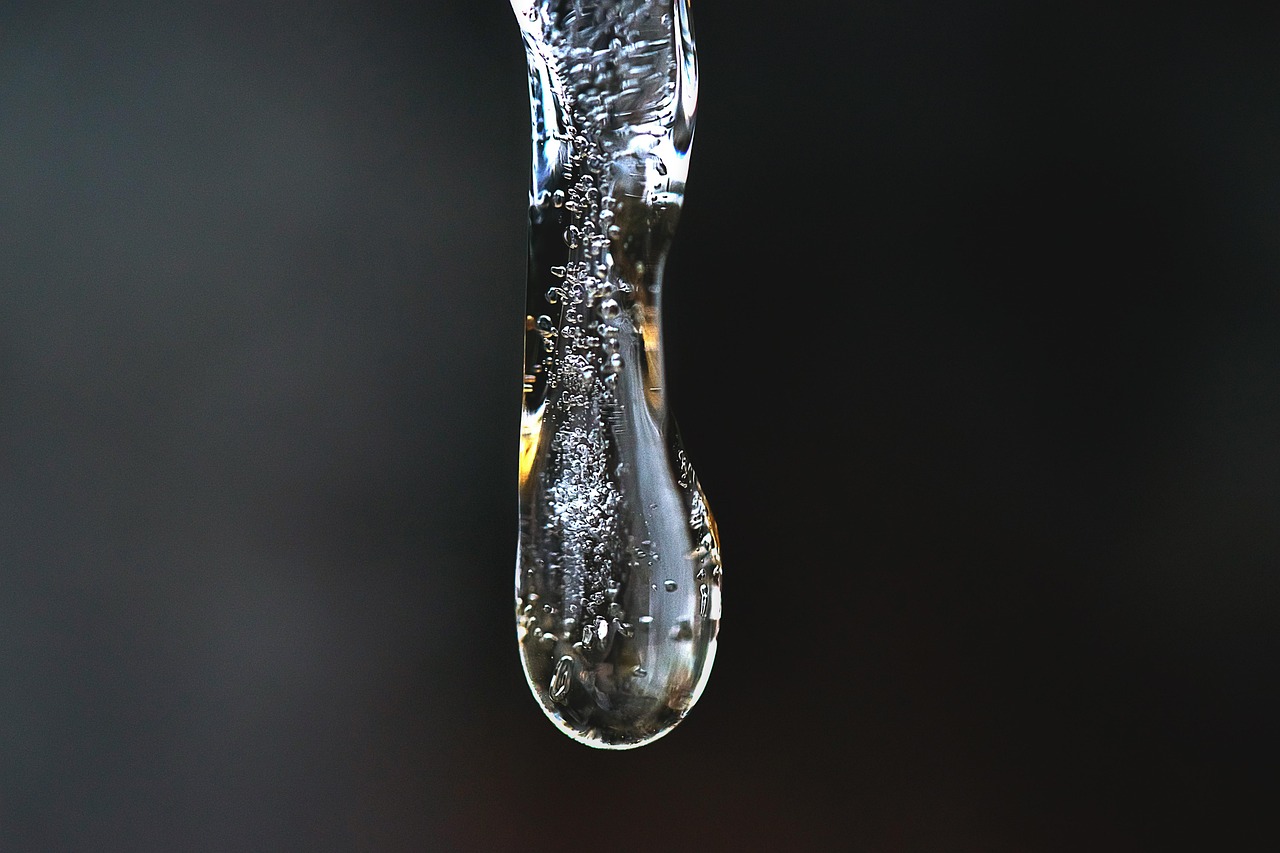
In more serious cases, the entire flow stops and the water backs up into the sump or towards the building. The volume increase of the frozen water exerts significant pressure on the pipe wall, which can lead to cracks, joint defects or even pipe rupture. This damage often only becomes visible after the frost has passed, when significant intervention is required.

Why is frost particularly dangerous for outdoor sewers?

Outdoor sewer sections are directly exposed to the weather. If the pipes are not properly laid or if there is standing water around them, the rapid drop in temperature can easily lead to freezing. Water remaining in the pipe, grease and sludge deposits, and poor slope all increase the risk of freezing.

Experience shows that previously partially clogged canals are much more likely to freeze completely in winter, as water can more easily stagnate in the narrowed cross-section.

Professional advice on preventing sewer freezing

One of the most important elements of prevention is sewer system Regularly check the condition of your drains. It is worth checking outdoor drains, drains and pipe sections before the frosty season to make sure there are no deposits or dirt that could be blocking the flow.

Proper insulation is also key. Thermal insulation of manhole covers, cleaning holes and shallow pipe sections significantly reduces the chance of freezing. It is also important to consider drainage: the channel must have a sufficient slope so that water cannot stagnate in it.

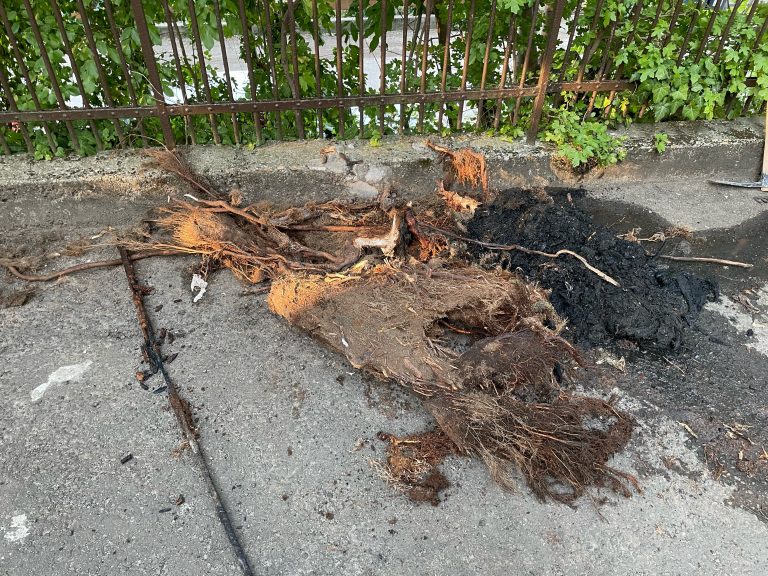
Based on professional experience, high-pressure sewer cleaning before winter sets in is an effective way to remove deposits that can later lead to the formation of ice jams.

What can you do right away at home?

One of the most important things to do at home is to take care of the outside. drains keeping it clean. Removing debris, mud and other contaminants helps prevent water from stagnating. It is also worth checking that the manhole covers are closed, because the sewer cools down faster under an open or damaged cover.

During freezing weather, it is recommended to occasionally flush less frequently used drains to prevent the system from drying out and reduce the risk of freezing. If you are already experiencing slow drainage, it is a good idea to take action immediately, as the problem can quickly worsen in the cold.

When is it worth entrusting the problem to a professional?

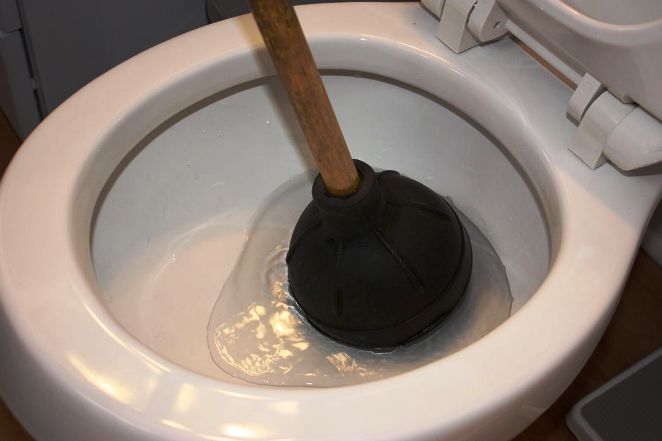
If the drain stops completely, the water backs up, or the problem occurs at multiple points in the sewer, it is definitely recommended to involve a professional. Home remedies for frozen pipes can be risky, as improper methods can cause further damage to the pipe system.

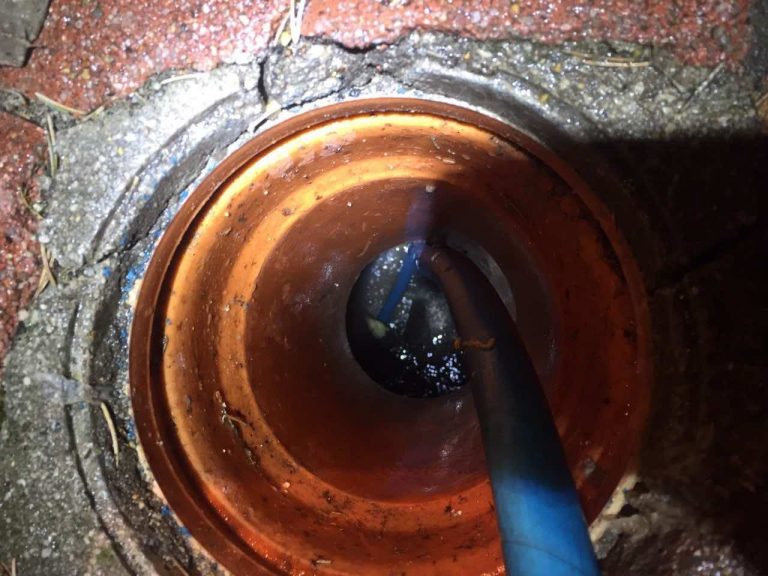
A professional can perform a camera sewer inspection, which provides an accurate picture of the location and cause of the freeze. Targeted intervention not only eliminates the existing problem, but also helps prevent future damage.

Summary

Protecting outdoor sewers and drains in winter primarily requires conscious maintenance and foresight. Early recognition of signs of freezing, proper insulation and regular cleaning significantly reduce the chance of serious damage. Experience shows that prevention always involves less cost and inconvenience than restoring a neglected, frozen sewer system.

Prevent sewer damage caused by frost in good time!

Freezing of outdoor drains doesn't happen overnight, but the consequences can be more unpleasant. Slow drainage, backwater or hidden cracks can cause serious repair costs, especially during the winter.

Expert our team With decades of experience, we help you assess the condition, maintain and professionally de-icing outdoor sewers and drains. Using modern tools, we accurately identify the problem and offer a lasting solution before major damage occurs.

Don't wait for frost to stop the drain!
Join us on relationship now and ensure that your outdoor drains operate safely in winter. Visit magyarendre.hu and ask for professional help in time.

Drain Problems: Frequently Asked Questions

How to clean a greasy drain?2023-05-24T09:27:47+02:00

Cleaning clogged drains often involves using degreasers to remove grease and oil from the drain walls. Using hot water can also help dissolve the grease and make it easier to drain.

How to clean a clogged drain at home?2023-05-24T09:27:00+02:00

Unclogging a clogged drain at home often involves using household products like baking soda and vinegar to unclog the clog. In addition, various drain cleaning tools, such as a drain auger, can also be helpful.

How to clean the kitchen drain?2023-05-24T09:25:53+02:00

Cleaning your kitchen drain is important to remove grease, oil, and food residue that can cause blockages. Regular cleaning will help prevent drain blockages and unpleasant odors. A combination of baking soda and hot water can be effective in dissolving grease and oil.

Why does water come back up from the drain?2023-05-24T09:25:15+02:00

If water is backing up through the drain, it is an indication that there is a blockage somewhere in the plumbing system. This problem often occurs in the sink or bathroom where water is not able to flow freely through the pipes. Baking soda is a great natural cleaner that helps dissolve grease and oil in the drain. Simply sprinkle a cup of baking soda down the drain, then pour a cup of hot water over it and let it sit for a few minutes before flushing.

Why is water coming up the floor drain?2023-05-24T09:24:34+02:00

This problem usually occurs when the floor drain becomes clogged and water cannot drain. This is often caused by debris such as hair, soap scum and other substances accumulating in the floor drain. Drain cleaning tools such as a drain cleaning spiral can be helpful in this process.

Why does water come back up from the drain?2023-05-24T09:23:50+02:00

If water is backing up through the drain, it is an indication that there is a blockage somewhere in the plumbing system. This problem often occurs in the sink or bathroom, where water cannot flow freely through the pipes. Liquid drain cleaners are commercial products specifically designed to clean drains. These products often contain strong chemicals that dissolve grease, oil, and food residue in the drain.

Why is the water draining slowly from the shower tray?2023-05-24T09:23:13+02:00

This problem is often caused by a buildup of hair, soap scum, and other substances in your shower drain. These substances slow down the flow of water and can eventually cause a clog. Salt can help unclog the drain. Sprinkle a cup of salt down the drain, then pour a cup of hot water over it and let it sit for a few minutes before flushing.

Why isn't the water draining from the sink?2023-05-24T09:16:04+02:00

This problem usually occurs when food residue, grease, or oil builds up in the drain, blocking the path of water. Over time, this can cause a blockage that prevents water from draining. You can use baking soda to solve this problem. Simply sprinkle a cup of baking soda down the drain, then pour a cup of hot water over it and let it sit for a few minutes before flushing.

More interesting articles about clogging