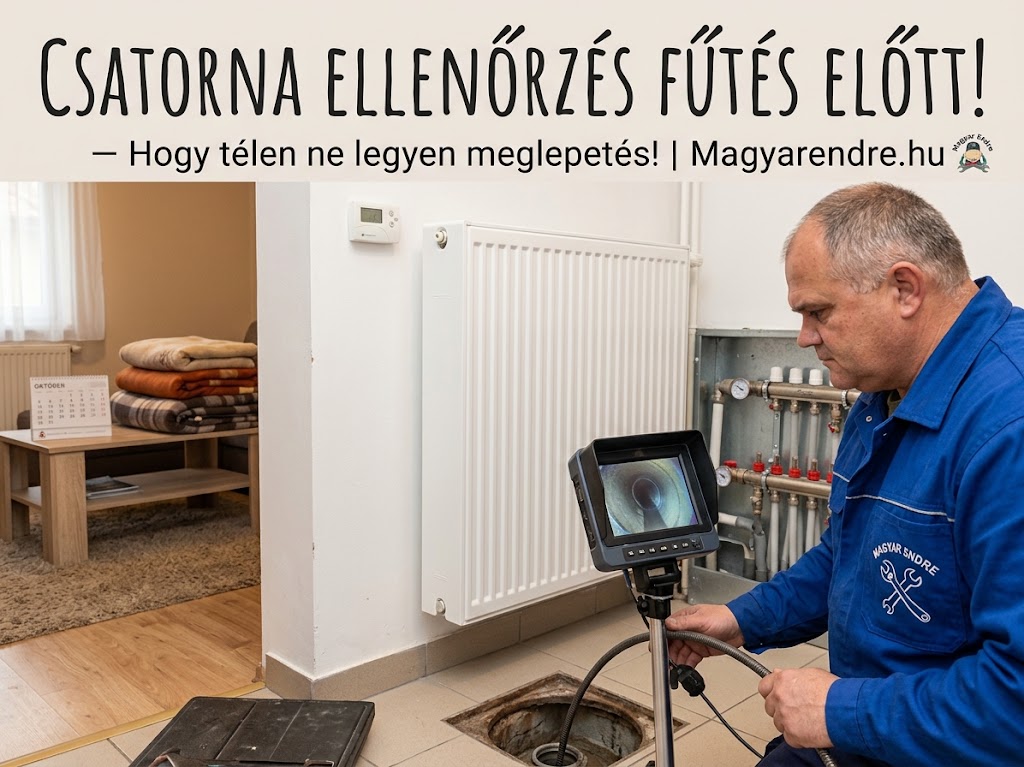
Before the heating season: 5 points worth checking on the pipes
Every autumn, the same thing happens: after the first really cold night, our calls suddenly spike. „The water in the bathroom won’t drain,” „There’s a strange smell coming from the kitchen drain,” „The water in the basement has stopped flowing,” our customers say, as if the problem had arisen overnight. In reality, these mistakes have been quietly brewing for months, and the start of the heating season only reveals them. With a few simple checks, this can be largely avoided. We have collected the 5 points that we also look at when helping a customer prepare for winter.
Why is it time now?
When the heating system is turned on, several things change at once in the household: we use more hot water, we open the windows less often, and we hardly pay attention to the garden taps and outdoor drains all winter. Meanwhile, autumn debris has accumulated in the gutters, the drain of the condensing boilers has not been maintained for months, and the first serious frost can arrive at any moment. If we check these before turning on the heating system, we can avoid that a neglected fault will be discovered in the cold months - when repairs are the most inconvenient and often the most expensive. It is also worth knowing that not only the start of the heating system, but also Weather also greatly affects the condition of the sewer system..
1. Check the outdoor drains and gutters
In the fall, falling leaves, small branches and accumulated dirt can clog gutters and garden drains in just a few weeks. This may seem insignificant at first, but if rainwater cannot drain away, it will find its way along the walls or into the basement. For this reason, it is worth doing the following:
- remove larger debris and dirt from the gutter and the top of the drain pipes,
- check whether the grates of the garden drains are clogged,
- Check with a bucket of water whether the drain is actually draining the water and whether it is not stagnating.
2. Check the condensing boiler drain pipe
Modern condensing gas boilers produce water during operation, called condensate, which is drained through a separate pipe, often connected directly to the sewer. This pipe is thin and easily clogged with scale or dirt - in this case the boiler may indicate a fault, or the condensate may flow where it should not. Before you start using the heating on a daily basis, it is worth checking that this drain pipe is flowing freely and that there are no signs of leaks or blockages.
3. Test the basement pump before you need it
If you have a submersible pump or a lift pump in your basement or a sump, don't wait until the first heavy rain or snow melts to see if it's working. A quick test - pouring a few liters of water in and watching the pump start - will tell you a lot. If the pump hasn't run in a while or is making a suspiciously loud, unusual noise, it's better to find out now than when the water is already standing in the basement. In an apartment building, it's especially important to clarify who is responsible - this should be done in advance. we also wrote in detail.
4. Insulate and protect outdoor taps and connections
Outdoor faucets, garden hose connections, and poorly insulated outdoor pipes are the most common places for frost damage. A frozen, then cracked pipe is often not really discovered until spring – when you’re ready to use it again, and then you’re faced with serious water damage. Turn off and drain outdoor faucets, and if possible, insulate outdoor connections before temperatures drop below freezing permanently. For more information on how to protect outdoor drains and gutters from frost damage, we wrote more here.
5. Flush indoor drains and pay attention to odor traps
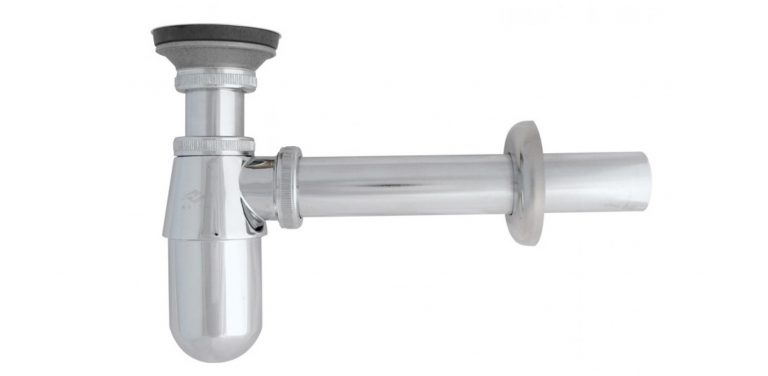
In colder weather, we ventilate less, so the sewer smell that comes in due to a dried-out or weakened odor trap (siphon) is much more annoying than in summer. If you have a drain in your home that you rarely use – such as a guest bathroom or a basement drain – pour a little water into it from time to time to prevent the odor trap from drying out. This will prevent two problems at once: the smell flowing in and the accumulation of small impurities in a rarely used section of pipe for months.
When is self-checking enough, and when should you call a professional?
Most of the points listed above can be done by hand, without tools, in 20-30 minutes. However, if during any of the checks you notice that the water is draining slowly, is backflowing, or has a persistent odor, this is often a sign of a more serious problem that cannot be repaired. camera sewer inspection reasons – before it turns out in the middle of winter that the problem has been there for a long time. If you want to know exactly what signs to look out for, we have collected those 8 warning signs, which is not worth delaying.
If you would like to check your sewer system now, before the heating season, or if you are stuck at any point, contact us: we provide guaranteed unclogging and camera sewer inspections in Budapest and its surroundings.
Don't wait for the frost - let's check the pipes now!
Request a quick condition assessment or appointment before the heating season starts. We work with a guarantee in Budapest and the surrounding area.
Contact