
avada-plumber@2x

Root occurring in the canal

How does the root enter the canal?

At that time, the materials used for the sewers were eternit, concrete, cast iron and ceramics, unlike PVC today. The special feature of these materials is that they are very strong and durable, lasting for about 40-80 years underground. The problem would not even be with the pipe itself, but rather with the connections of the pipes (caps, joints), where the seal or cementation weakens.

Because the pipes are underground, in the soil, they must resist ground movement, soil erosion, high water loads, chemicals, organic materials, and channel roots of trees planted nearby. All of the examples just listed put a severe strain on the sewer system in the ground. Over time, the sewer pipe material can sink, crack, break, or roots can enter through joints and cracks.

What is the reason for rooting?

First of all, we can think of root growth in our sewer network if there is a large shrub, bush or tree nearby. Although, according to our customers and our experience, there are also cases where even if there is no large tree or bush nearby, the roots still cause ugly blockages. The root systems of evergreens are the most violent. These roots know very well where it is worth growing.
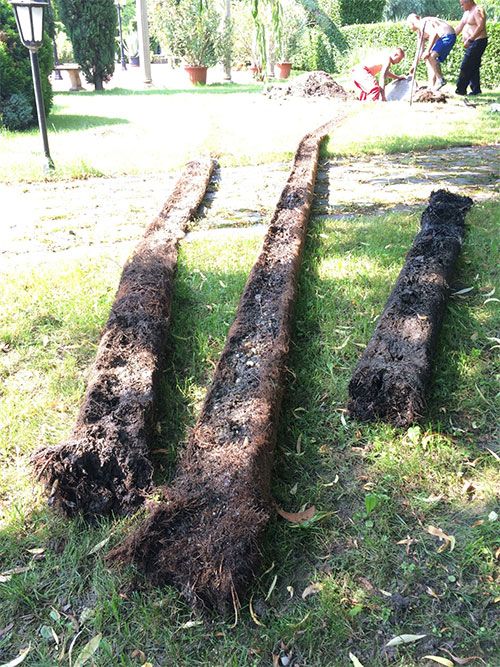
A csatornában előforduló gyökér

Here we managed to cut out the roots from three sections of sewer at once. 5m, 11m, and a 3m piece! The materials flowing through sewage pipes are usually mixtures rich in minerals, nutrients, hydrogen sulfide, and methane. If the roots get into the sewer through a small gap, hole, or crack, they start growing very quickly, causing more blockages.

It can grow so quickly that it takes over the entire sewer system in a few months, and all we notice is that the floor drain is leaking., toiletThe hair root is visible from the vagina. The main suspicious sign is difficult water flow and bubbling, sometimes the sewer smell may also appear.
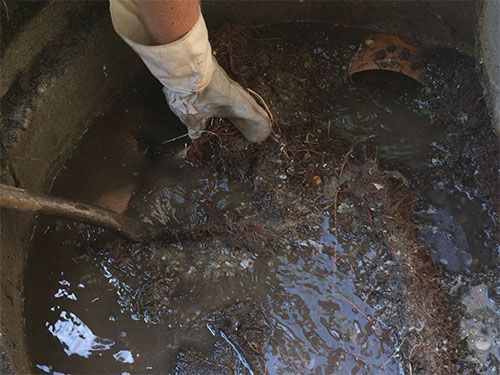
A csatornában előforduló gyökér

Temporarily, we can provide assistance by pouring root killers down the drain, or we can also provide unblocking services, where the unblocker specialist removes a greater or lesser part of the ingrowths using root cutting tools. These solutions are often only temporary. The final solution to the problem, the final elimination of the problem, is to correct the damaged pipe network and cut down the bush or tree. Nowadays, thanks to modern technologies, it is also possible to fit a liner pipe into the old pipes, if it is suitable for this intervention.
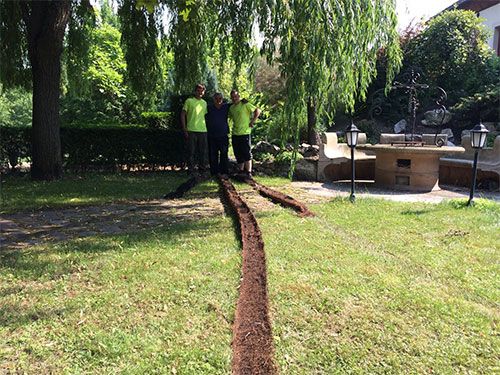
A csatornában előforduló gyökér

Today's PVC pipes are less at risk of rooting, as pipe joints and breaks are almost airtight, and on the other hand, roots are less able to cling to the surface of PVC pipes than to classic, old eternit, concrete or even iron sewer pipes.


Drain Problems: Frequently Asked Questions

How to clean a greasy drain?2023-05-24T09:27:47+02:00

Cleaning clogged drains often involves using degreasers to remove grease and oil from the drain walls. Using hot water can also help dissolve the grease and make it easier to drain.

How to clean a clogged drain at home?2023-05-24T09:27:00+02:00

Unclogging a clogged drain at home often involves using household products like baking soda and vinegar to unclog the clog. In addition, various drain cleaning tools, such as a drain auger, can also be helpful.

How to clean the kitchen drain?2023-05-24T09:25:53+02:00

Cleaning your kitchen drain is important to remove grease, oil, and food residue that can cause blockages. Regular cleaning will help prevent drain blockages and unpleasant odors. A combination of baking soda and hot water can be effective in dissolving grease and oil.

Why does water come back up from the drain?2023-05-24T09:25:15+02:00

If water is backing up through the drain, it is an indication that there is a blockage somewhere in the plumbing system. This problem often occurs in the sink or bathroom where water is not able to flow freely through the pipes. Baking soda is a great natural cleaner that helps dissolve grease and oil in the drain. Simply sprinkle a cup of baking soda down the drain, then pour a cup of hot water over it and let it sit for a few minutes before flushing.

Why is water coming up the floor drain?2023-05-24T09:24:34+02:00

This problem usually occurs when the floor drain becomes clogged and water cannot drain. This is often caused by debris such as hair, soap scum and other substances accumulating in the floor drain. Drain cleaning tools such as a drain cleaning spiral can be helpful in this process.

Why does water come back up from the drain?2023-05-24T09:23:50+02:00

If water is backing up through the drain, it is an indication that there is a blockage somewhere in the plumbing system. This problem often occurs in the sink or bathroom, where water cannot flow freely through the pipes. Liquid drain cleaners are commercial products specifically designed to clean drains. These products often contain strong chemicals that dissolve grease, oil, and food residue in the drain.

Why is the water draining slowly from the shower tray?2023-05-24T09:23:13+02:00

This problem is often caused by a buildup of hair, soap scum, and other substances in your shower drain. These substances slow down the flow of water and can eventually cause a clog. Salt can help unclog the drain. Sprinkle a cup of salt down the drain, then pour a cup of hot water over it and let it sit for a few minutes before flushing.

Why isn't the water draining from the sink?2023-05-24T09:16:04+02:00

This problem usually occurs when food residue, grease, or oil builds up in the drain, blocking the path of water. Over time, this can cause a blockage that prevents water from draining. You can use baking soda to solve this problem. Simply sprinkle a cup of baking soda down the drain, then pour a cup of hot water over it and let it sit for a few minutes before flushing.

More interesting articles about clogging