Maintenance of a booster pump plays a key role in ensuring the longevity and reliability of the pump. Regular maintenance helps prevent breakdowns and reduces the risk of downtime. Below we will show you how to effectively maintain a booster pump.
Regular cleaning: Pump components should be cleaned regularly to prevent the build-up of deposits and dirt that can reduce the efficiency of the pump. Use cleaning agents and a brush to remove dirt.
Lubrication: The pump shaft and bearings require lubrication for proper operation. Check the oil level and top up if necessary. Refer to the maintenance manual for the type of oil to use.
Cleaning the pump housing: The pump housing of transfer pumps should also be cleaned regularly to prevent the formation of deposits and blockages.
Checking pump seals: The seals on the lift pump are also important to maintaining the pump's efficiency. Check the seals and replace them if they are worn.
Electrical inspection: The electrical system of the lift pump should also be checked to ensure proper operation. Check the electrical connections and wiring and correct any faults if necessary.
Replacing bearings: Bearing failure is the most common reason why transfer pumps fail. Regularly check the condition of the bearings and replace them if necessary.
Maintenance of the booster pump is extremely important to ensure reliable operation and long service life. If you are not experienced in maintenance, it is recommended to contact a professional and have the maintenance carried out. The frequency of maintenance of the booster pump depends on the specific conditions and the use of the pump. In general, it is recommended that booster pumps are checked, cleaned and maintained at least once a year.
Failure to maintain your booster pump significantly increases the risk of failure and reduced pump performance. In addition, poor pump maintenance can increase energy consumption and costs.
Maintenance of a transfer pump includes inspection, cleaning and repair of pump components, replacement of bearings, oiling, cleaning of the pump housing, inspection of pump seals and electrical inspection. The transfer pump maintenance requires regular inspection and maintenance to ensure reliable operation and long service life of the pump. If you are not familiar with pump maintenance, it is recommended to a specialist to turn.
Need help? On us you can count on every day of the year, 24 hours a day!
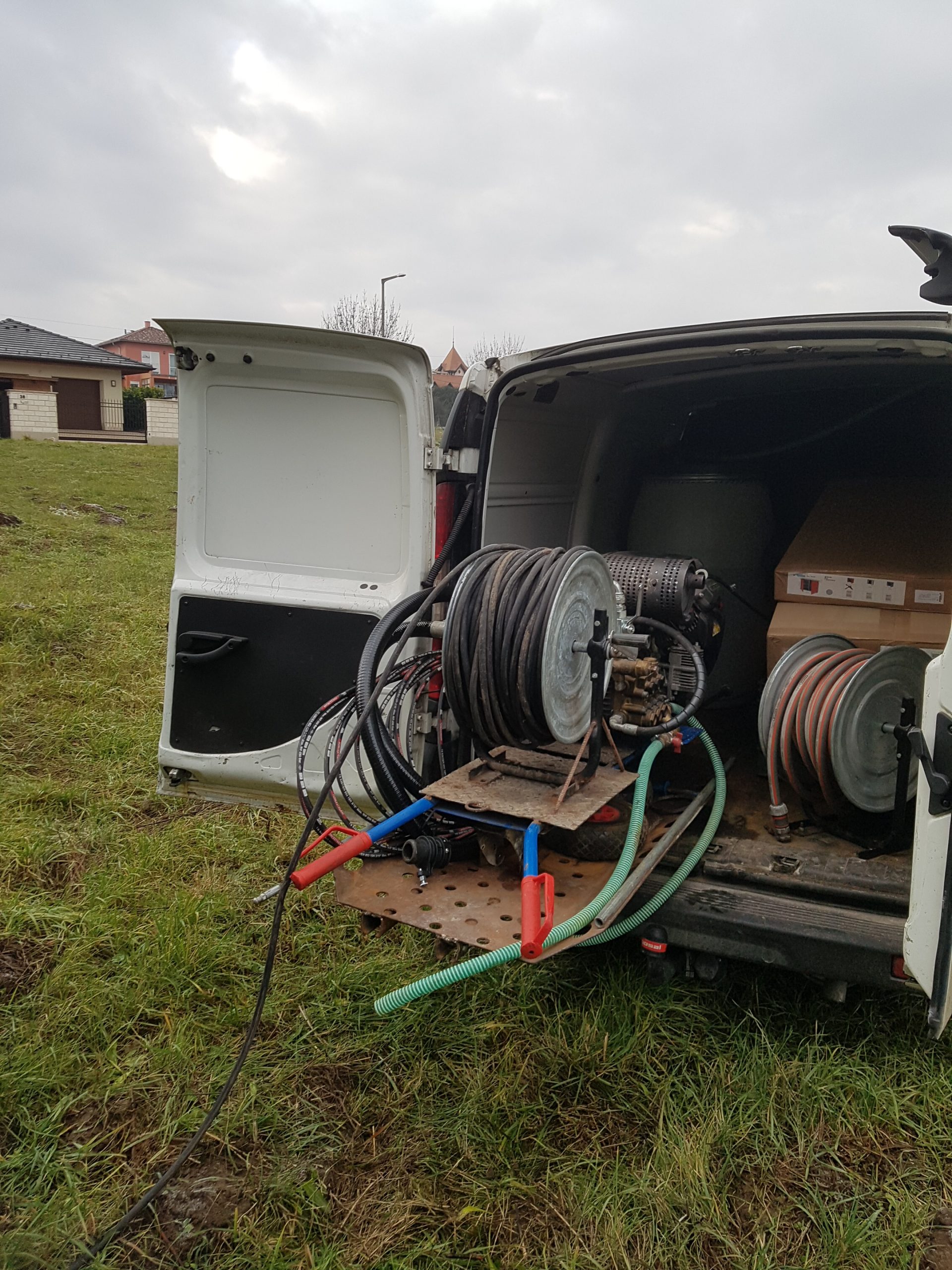
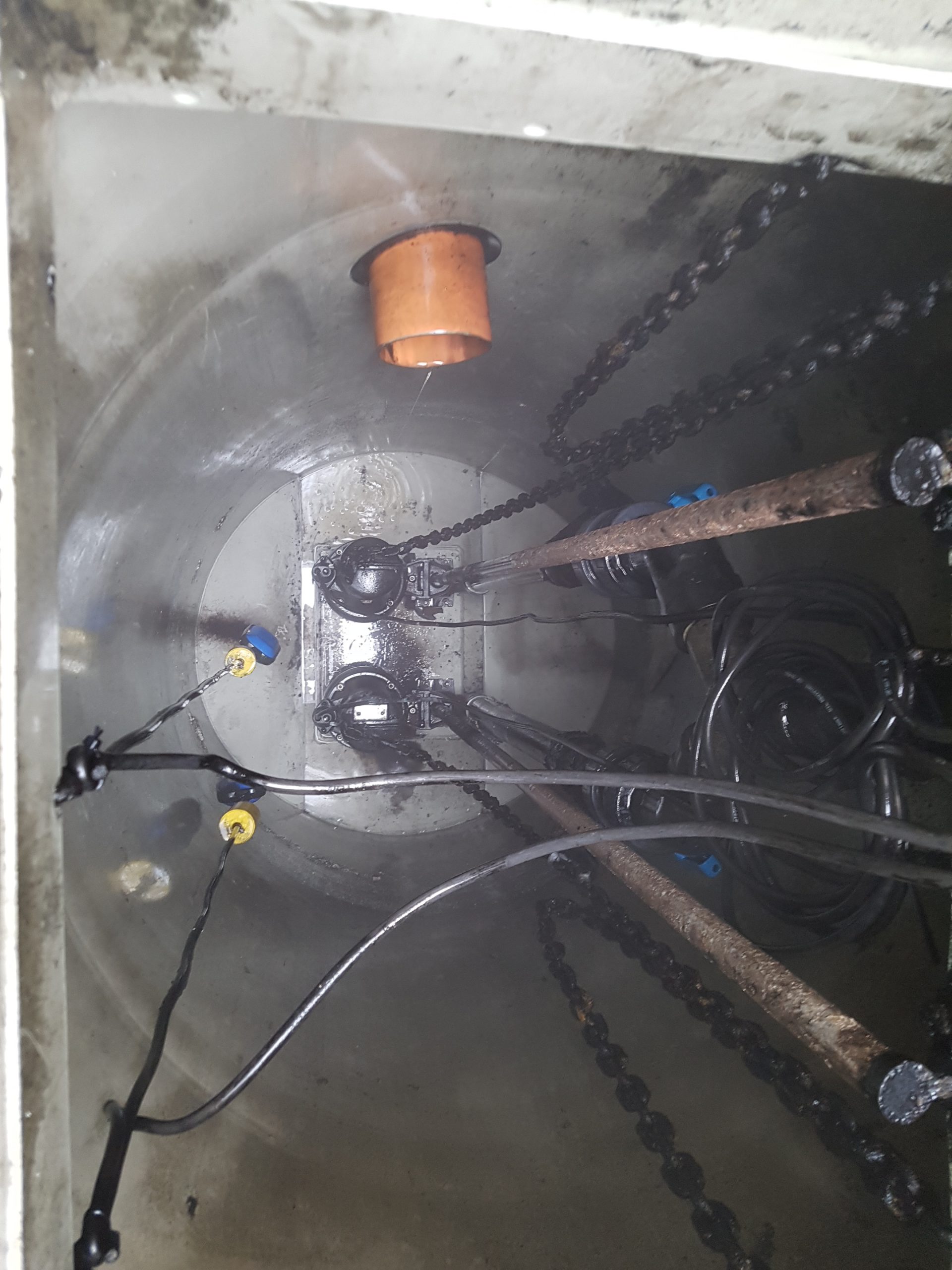
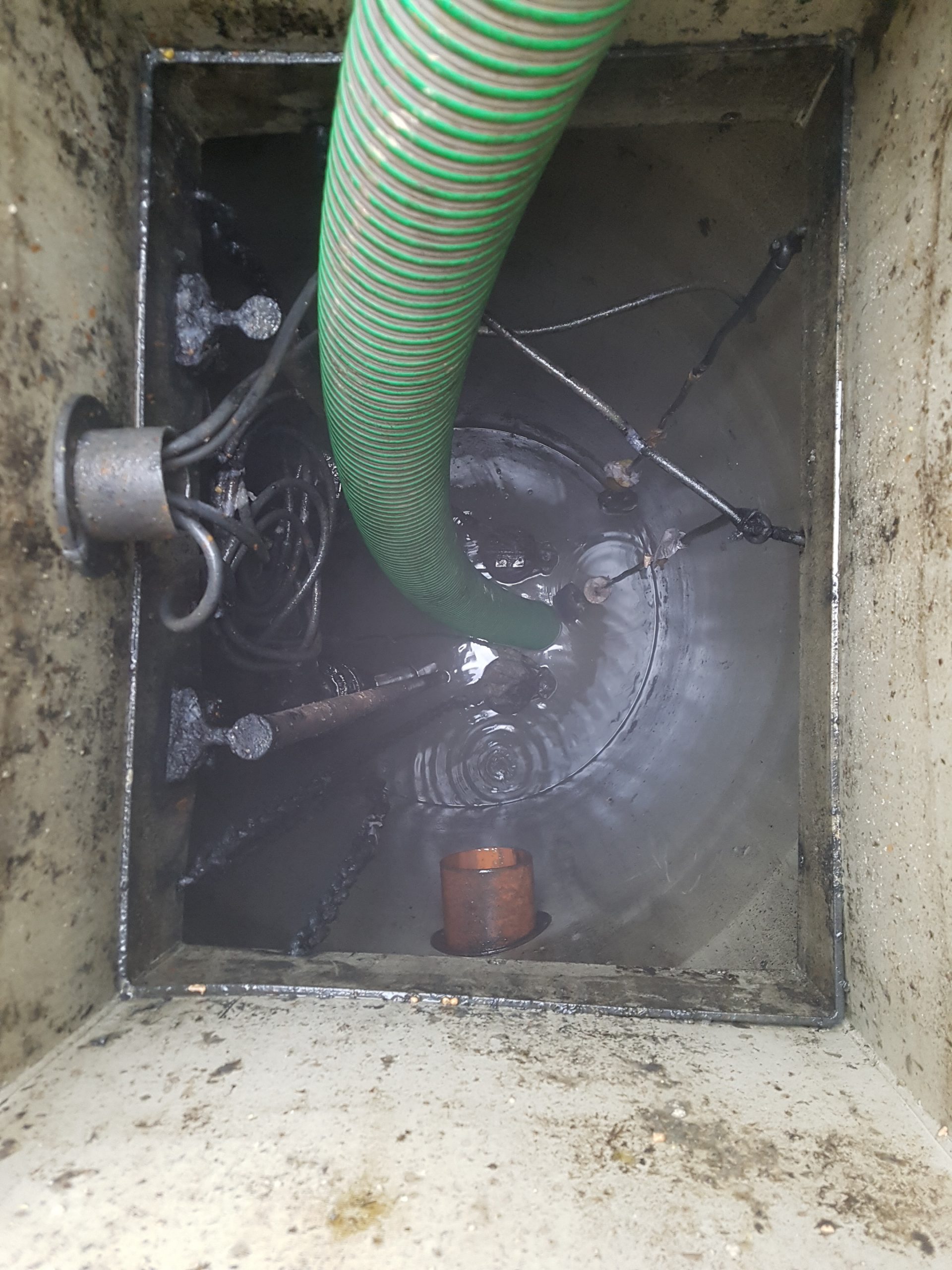
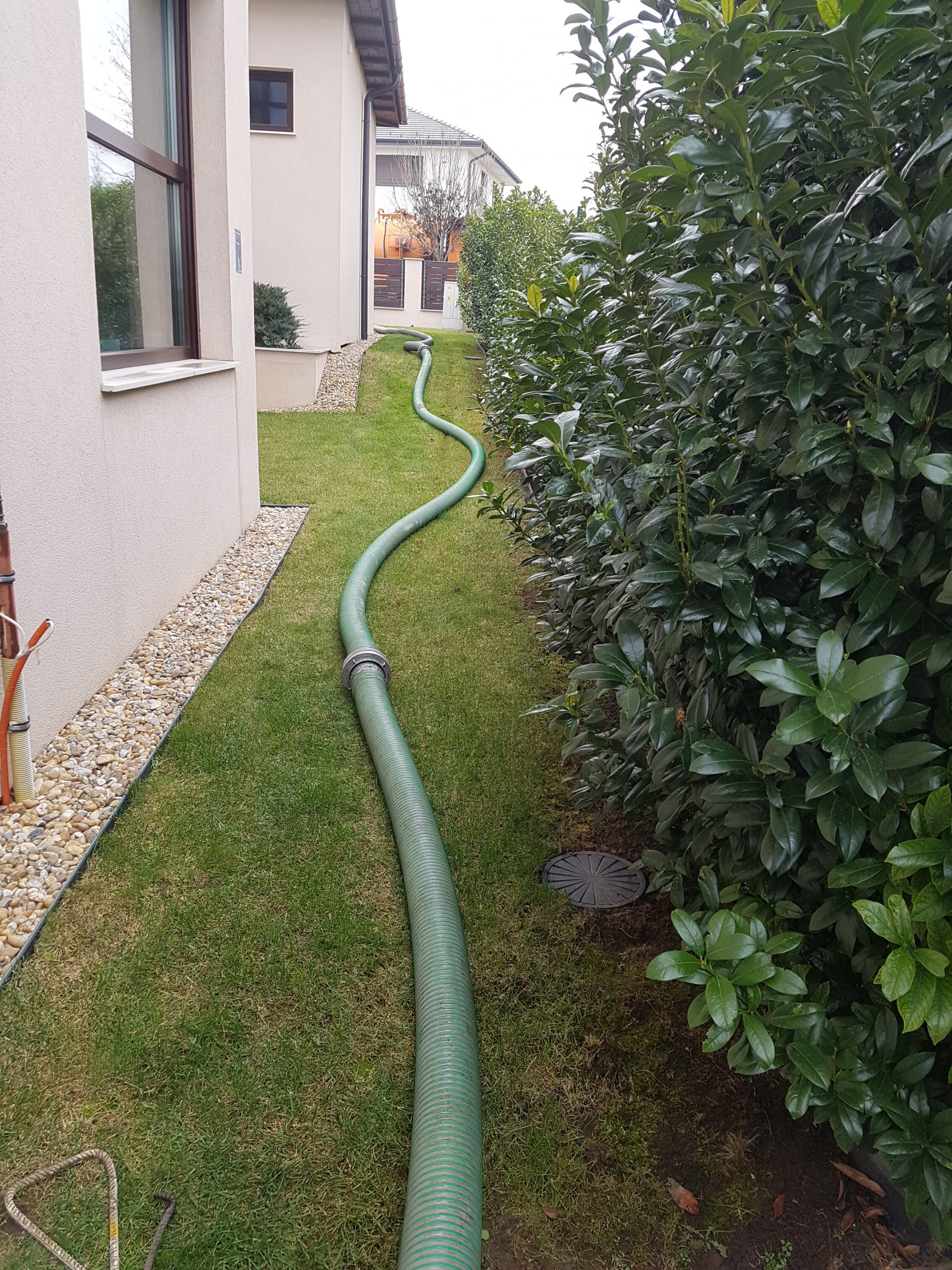
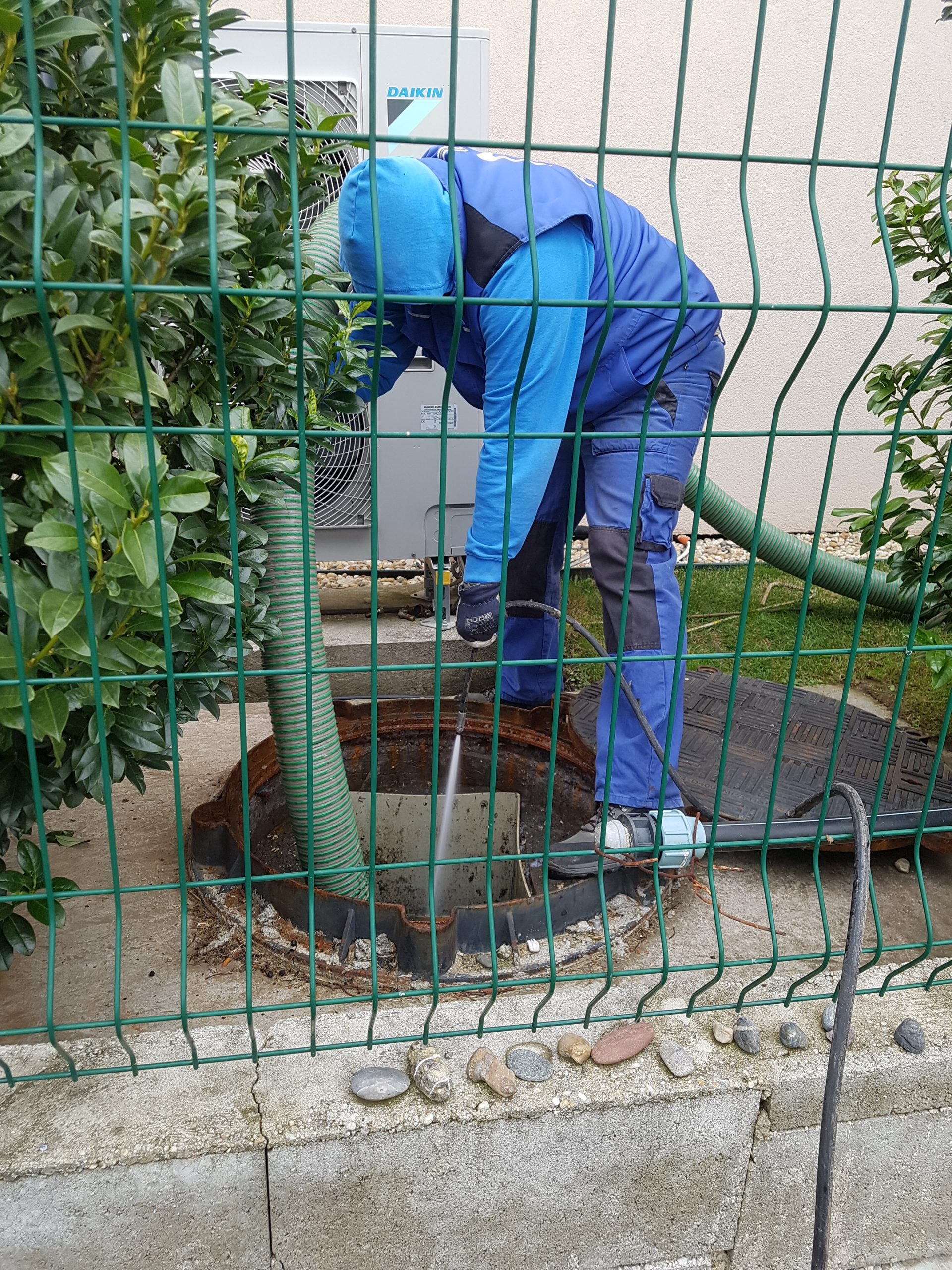
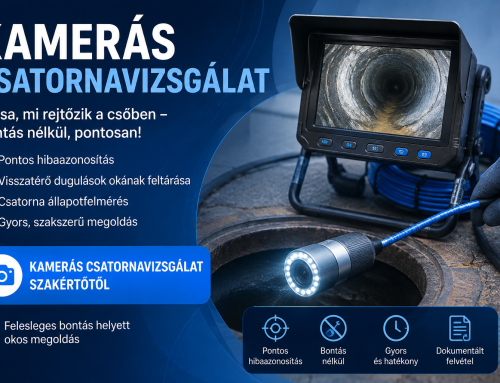
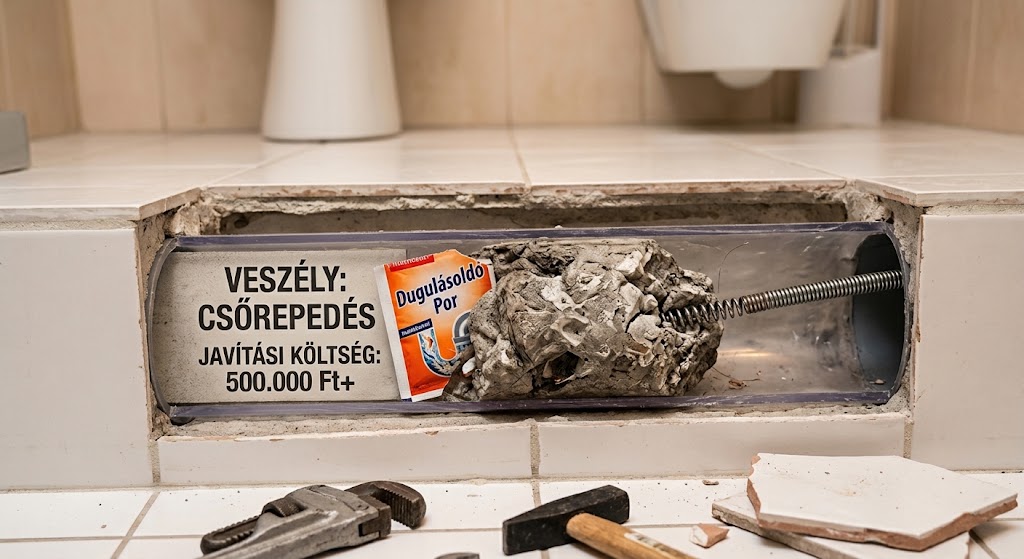
The series of images below shows how a maintenance process works.