
avada-plumber@2x

The kitchen monster: How to deal with grease traps?

The kitchen drain is a place where flavors and aromas meet, but sometimes a hidden danger, a grease plug, can ruin your gastronomic pleasures. If you've ever encountered it, you know how annoying it can be, but don't worry, we'll discover how this kitchen monster forms and how to combat it effectively.

Formation of the grease plug

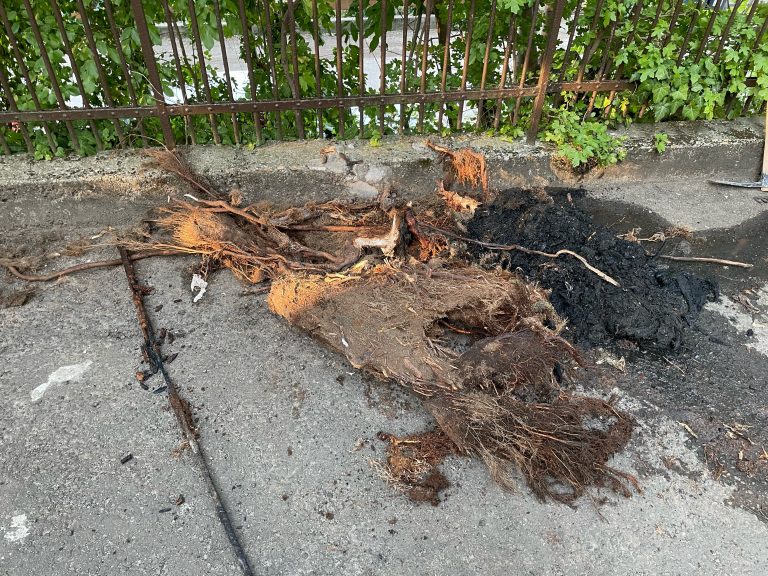
A grease plug is a mixture of accumulated fats, oils and other contaminants that can block a drain. After cooking, oils and fats that have entered the drain cool, solidify and slowly form a layer on the pipe wall. Over time, the layer increases in thickness, making it more difficult for wastewater to pass through the pipe.

How can you prevent the formation of a grease plug?

    1. Using hot water: Run hot water down the drain once a week. This will help prevent fats and oils from congealing as easily.
    2. Using a grease trap: Buy a grease trap that you can place in your drain. This will prevent grease from getting into the pipe.
    3. Using citrus fruits: Pour lemon juice and bicarbonate of soda down the drain! Citrus oils help dissolve fats.

How can you remove an existing grease plug?

  • Salt and baking soda: Mix one cup of salt and one cup of baking soda, then pour the mixture down the drain. Then pour hot water over it. The reaction between the salt and baking soda will help dissolve the grease plug.
  • Vinegar and baking soda: Pour half a cup of baking soda down the drain, then pour a cup of vinegar over it. The foam and gases produced in this reaction will help clear the pipe.
  • Pipe cleaning chemicals: Use store-bought pipe cleaning products, but be sure to follow the instructions and ensure proper ventilation.

When is a specialist needed?

Although home remedies and home remedies can often be effective in combating grease plugs, there are cases when specialist your help is essential.

  1. Home attempts to combat the blockage are unsuccessful: If home remedies do not work and drain If it continues to drain slowly, or if the condition worsens, it's time to contact a professional.
  2. Extremely stubborn plug: If the grease plug forms an extremely stubborn and thick layer that home methods cannot effectively remove, professional help may be necessary.
  3. Recurring problems: If the grease plug returns regularly, it may be a sign that there is some underlying problem with the piping system that only a professional can fix.
  4. Unpleasant odors and other problems: If unpleasant odors or other unusual phenomena occur in connection with the drain, this may indicate that a professional is needed, as these may be caused by more serious pipe problems.

Don't hesitate to contact us if you feel that your efforts at home are not yielding results or if more complex problems arise. We can provide a quick and effective solution to defeat your kitchen monsters, guaranteed!
Drain Problems: Frequently Asked Questions

How to clean a greasy drain?2023-05-24T09:27:47+02:00

Cleaning clogged drains often involves using degreasers to remove grease and oil from the drain walls. Using hot water can also help dissolve the grease and make it easier to drain.

How to clean a clogged drain at home?2023-05-24T09:27:00+02:00

Unclogging a clogged drain at home often involves using household products like baking soda and vinegar to unclog the clog. In addition, various drain cleaning tools, such as a drain auger, can also be helpful.

How to clean the kitchen drain?2023-05-24T09:25:53+02:00

Cleaning your kitchen drain is important to remove grease, oil, and food residue that can cause blockages. Regular cleaning will help prevent drain blockages and unpleasant odors. A combination of baking soda and hot water can be effective in dissolving grease and oil.

Why does water come back up from the drain?2023-05-24T09:25:15+02:00

If water is backing up through the drain, it is an indication that there is a blockage somewhere in the plumbing system. This problem often occurs in the sink or bathroom where water is not able to flow freely through the pipes. Baking soda is a great natural cleaner that helps dissolve grease and oil in the drain. Simply sprinkle a cup of baking soda down the drain, then pour a cup of hot water over it and let it sit for a few minutes before flushing.

Why is water coming up the floor drain?2023-05-24T09:24:34+02:00

This problem usually occurs when the floor drain becomes clogged and water cannot drain. This is often caused by debris such as hair, soap scum and other substances accumulating in the floor drain. Drain cleaning tools such as a drain cleaning spiral can be helpful in this process.

Why does water come back up from the drain?2023-05-24T09:23:50+02:00

If water is backing up through the drain, it is an indication that there is a blockage somewhere in the plumbing system. This problem often occurs in the sink or bathroom, where water cannot flow freely through the pipes. Liquid drain cleaners are commercial products specifically designed to clean drains. These products often contain strong chemicals that dissolve grease, oil, and food residue in the drain.

Why is the water draining slowly from the shower tray?2023-05-24T09:23:13+02:00

This problem is often caused by a buildup of hair, soap scum, and other substances in your shower drain. These substances slow down the flow of water and can eventually cause a clog. Salt can help unclog the drain. Sprinkle a cup of salt down the drain, then pour a cup of hot water over it and let it sit for a few minutes before flushing.

Why isn't the water draining from the sink?2023-05-24T09:16:04+02:00

This problem usually occurs when food residue, grease, or oil builds up in the drain, blocking the path of water. Over time, this can cause a blockage that prevents water from draining. You can use baking soda to solve this problem. Simply sprinkle a cup of baking soda down the drain, then pour a cup of hot water over it and let it sit for a few minutes before flushing.

More interesting articles about clogging