There was no problem ten years ago – why is there a problem now?
The dangers of old systems
Many people think with relief that if a house or apartment has not been used for years, blockage, then „the system must be good.” However, the reality is often different: pipes and wires in old buildings slowly deteriorate over decades, until suddenly – seemingly without any prior warning – trouble occurs.
But why does this happen? And what is worth paying attention to in old buildings? Today we will answer this question:
What is behind the problems?
Old pipes and aging of materials
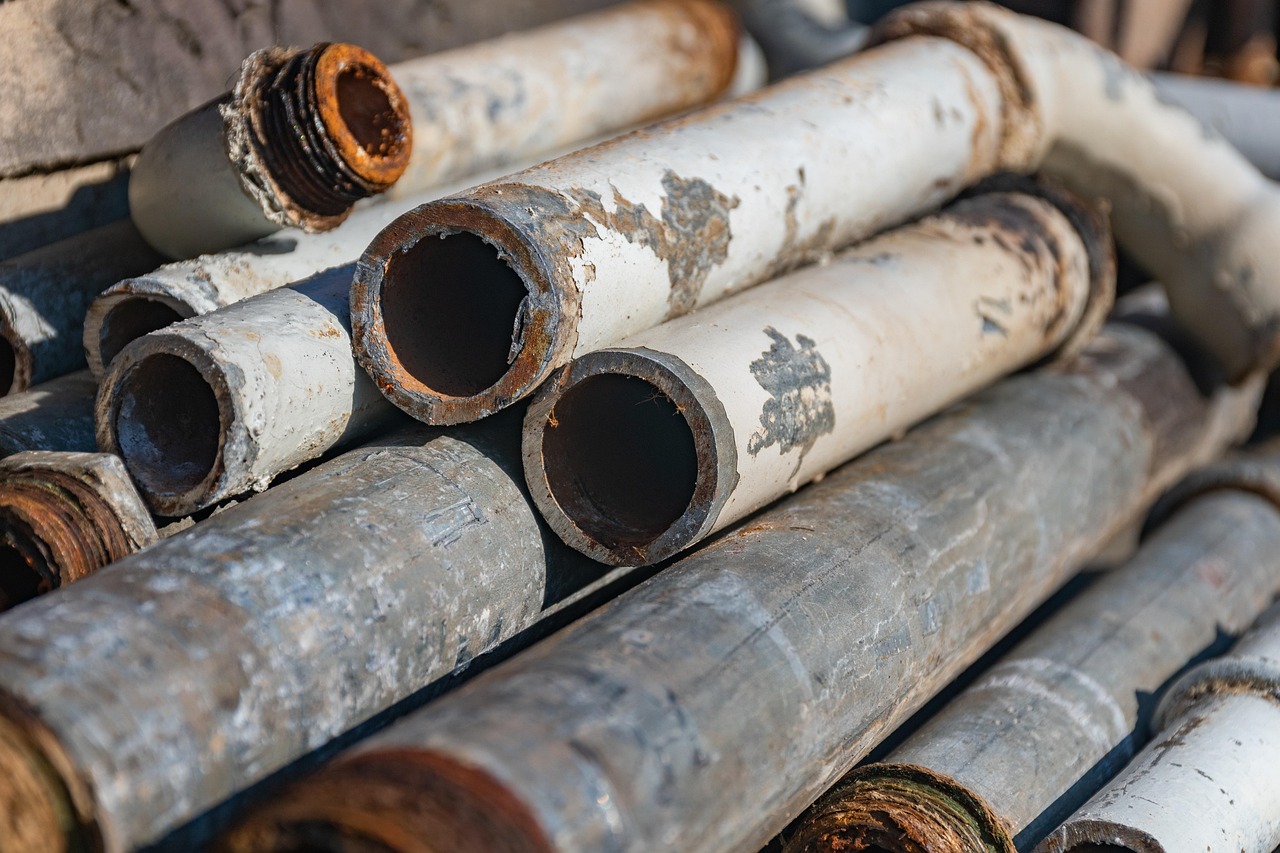
Old pipes in buildings – whether they are steel, lead or even old PVC – wear out over time. Corrosion, material fatigue and scale build-up slowly but surely impair water flow, eventually causing a serious blockage or pipe burst.
Aged wiring and hidden defects
Wires are often hidden in walls, under floors, or in the ground, so problems can go unnoticed for years. A small crack, leakage or narrowing develops into a serious defect over a long period of time, which residents only notice when the problem is already serious.
Internal strictures and deposits
Grease, soap scum, hair and other impurities build up in layers on the pipe walls over the years. This narrows the cross-section, making the drain slower and slower until it becomes completely blocked.
What should you pay attention to if you live in an old building?
1. Regular inspection and maintenance
It's worth having old systems inspected by a professional from time to time. A camera duct inspection, for example, reveals the internal condition before trouble occurs.
2. Pay attention to the signs
Don't ignore slow water flow, gurgling sounds from the drain, or unpleasant odors. These are all signs that the system is sending out "cry for help.".
3. Don't put off repairs
Old system bugs never resolve themselves. If you only try temporary solutions (e.g. chemical cleaning), the problem may soon return – often with even greater force.
4. Modernization and renovation
If your house is several decades old, it is worth considering a complete or partial replacement of the pipes. Modern materials (such as new PVC or KPE pipes) are more durable and resistant to corrosion and deposits.
5. Protection against limescale
In case of hard water, it is especially important to use a water softener, because layers of limescale can drastically narrow pipes and destroy fittings.
6. Careful use
Avoid flushing grease, oil, food scraps down the drain, and don't pour things down the toilet that don't belong there. An old system is especially susceptible to these errors.
7. Timed problems
It's worth knowing: most errors don't occur "suddenly" but build up over many years. When the problem becomes visible, it's just the tip of the iceberg.
Other dangers that few people think about
8. External factors
The ground movement, root ingrowth or structural subsidence of the house can also cause cracks and leaks in pipes. This is common in old buildings where the foundation and environment have already undergone many changes.
9. Bad past repairs
In the past, errors were often fixed with temporary or unprofessional solutions. These „temporary” interventions can lead to new problems over time.
10. Problems of common systems
In apartment buildings, old shared pipes pose a special risk: even if you replace the pipes in your own apartment, defects in the main pipe will still affect you.
11. Health risks
Stagnant water in an old, cracked pipe can easily harbor bacteria, which can even get into your drinking water. This poses a serious health risk in the long run.
Summary
Living in old buildings has many advantages, as they have a special atmosphere and character. However, old water and sewage systems hide invisible dangers. If you pay attention in time, have them checked regularly and modernize them when necessary, you can avoid sudden, costly and unpleasant failures.
Don't wait until old pipes cause serious damage!
Seek professional help in a timely manner so that the blockage does not occur unexpectedly.
? Entrust the work to experienced to our specialists!