
Why is there an unpleasant smell coming from the drain? – The most common causes and solutions
An unpleasant smell coming from the drain is not only unpleasant, but it can also indicate more serious problems. The source of the sewer smell can be a blockage, a dried-out stink trap or even a sewage leak. If we do not treat the phenomenon in time, it not only worsens our sense of comfort, but can also pose health risks. Below, we present in detail the most common causes and effective solutions.
Possible causes of sewer odor
1. Clogged drain
Accumulated in the drains impurities, such as hair, grease deposits, food residue and soap scum over time blockage If the water drains slowly or you hear a gurgling sound coming from the drain, this could be a warning sign.
Solution:
- Try unclogging the drain at home using a mixture of hot water and natural cleaning agents, such as baking soda and vinegar.
- If the problem is stubborn, drain cleaning chemicals can also be used, but regular use of these is not recommended because they can damage the pipes.
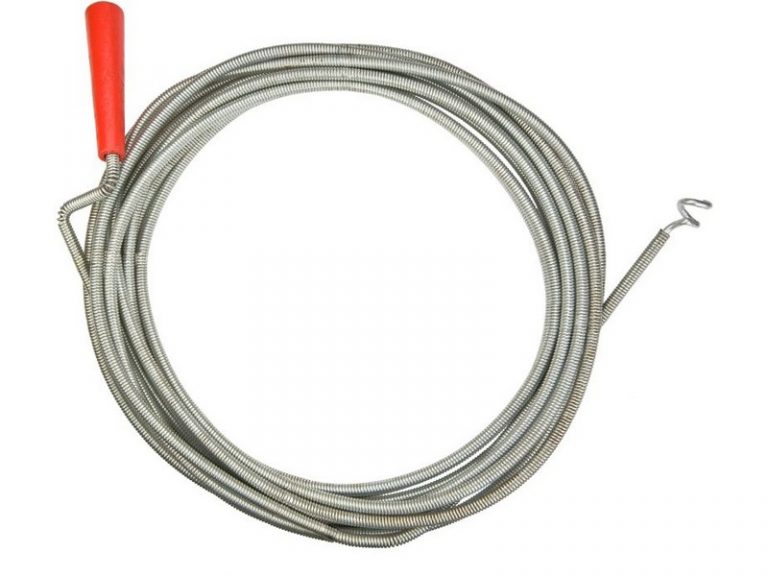
- For mechanical cleaning, it is worth using a drain pump or pipe ferret.
- In more serious cases, you may need the help of a professional who can remove the blockage using professional tools.
2. Dried out odor trap (siphon)
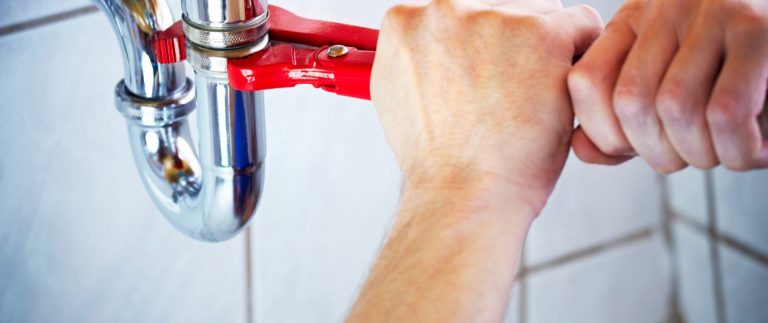
A trap, also known as a siphon, is a bent section of pipe filled with water that prevents unpleasant odors from the sewer from flowing back into the home. If a drain is rarely used, such as a guest bathroom sink or floor drain, the water can evaporate from it, allowing sewer odors to escape.
Solution:
- If a drain is rarely used, pour a glass of water into it from time to time to fill the odor trap.
- If you are going away for a longer period of time, it is worth pouring a few drops of cooking oil or glycerin into the drain, as these will slow down the evaporation of water.
- Check the siphon and if it is cracked or damaged, replace it with a new one.
3. Bacteria and deposits on the inner wall of the drain
Over time, biofilm, a mixture of bacteria and organic matter, can form inside drains. These overgrowths of microorganisms can produce unpleasant odors.
Solution:
- Clean the drain regularly with hot water and natural agents such as vinegar and baking soda.
- We can also use disinfectant drain cleaning tablets or liquids.
- If the smell persists, it is worth disassembling and cleaning the siphon.
Health risks of sewage leaks
If the sewer smell persists, it could be due to a sewage leak. This not only causes a stench, but also carries serious health risks:
- Bacteria and molds found in wastewater can cause respiratory diseases, allergies, and other infections.
- A humid environment is an ideal breeding ground for pests such as cockroaches or rats, which pose an additional risk of infection.
- In the long term, sewage leaks can also damage the structure of the building, which can result in significant repair costs.
If, in addition to the unpleasant odor, you experience damp spots, a musty smell, or mold on the walls or floor, it may indicate a leak and requires immediate intervention.
Detecting sewer leaks with the help of a professional
Hidden sewer leaks can cause serious damage to the building, so it is worth contacting a professional. professional drain cleaners and plumbers can use modern tools to accurately identify the location of the leak without having to do unnecessary demolition work.
Leak detection methods:
- Camera pipe inspection: A small, high-resolution camera-equipped pipe inspection device is inserted into the drain system, providing a live image of the condition of the pipe. This helps to find breaks, cracks, and blockages.
- Pressure test: Air or water is injected into the system to detect where fluid is escaping and thus determine the exact location of the leak.
- Thermal imaging examination: Infrared technology allows you to map temperature differences behind pipes, so the technician can easily find problem areas.
Summary
If you notice an unpleasant odor coming from your drain, don't delay solving the problem! Clogs, bacteria, and dried-out odor traps can be treated with simple maintenance, but sewage leaks can cause more serious problems.
Don't let sewer odor ruin the comfort of your home!
If you experience a persistent sewer smell or suspect a sewage leak, don't delay the solution! Our professional specialists will quickly and efficiently uncover the problem using modern camera pipe inspections and precise leak detection - without unnecessary dismantling.
Call me us today, and eliminate unpleasant odors in your home once and for all!