avada-plumber@2x

Thawing frozen sewers and frozen sewage!

Is your sewer frozen and you don't know how to thaw it?

Is your drain frozen and you don't know if using chemicals will damage it?

I will try to answer these questions for you in this article. Just like a few years ago, this year too we have experienced extreme weather, when it is so cold that even -20 degrees, and in many cases -25 degrees, can be measured in some settlements. At such times, we are happy that the parasites underground or the bacilli above the ground also die due to the cold. But what causes so many larvae to die underground at a depth of up to 60 cm?

The answer is very simple! It simply freezes. But underground, not only rodents and parasites and insects live. Among many other things, there are also: channel Our pipes, and our plumbing system too. Surely, in the extreme cold, these also get some of the good, and the cold does not spare them either.

If at the time when the water pipe We were lazy and didn't dig below the 80cm frost line, so it could freeze in this extreme weather.

But why?

Unfortunately, there is always water in the water pipe. In the evening, when no one is using it, it freezes in most cases, because this +8 degree drinking water can only freeze if there is no flow, that is, if it is standing in the pipe.

Why does the canal freeze, since in principle it does not hold water and is therefore empty?

The answer is very simple! A frozen sewer can occur for several reasons.

  • the slope is not good and there is stagnant water in the pipe, a so-called water pocket, which can freeze
  • The slope of the pipe is not good. blockage is formed, which can also freeze
  • Because of tree roots blockage develops that can freeze

The sewer has a good slope, but the sewage still freezes in the sewer! Why?

  • The drain is not dug to the right depth, so the incoming water can freeze in the ice-cold pipe, which creates a grooved surface at the bottom of the drain. This allows dirt to accumulate on this groove, which later causes a blockage, and then this clogged drain can freeze!
  • Tree roots slow down the flow of water if they grow into the sewer, and as mentioned above, the sewer becomes clogged.

What can you do to prevent frostbite during the frost risk period?

My suggestion is the following:

  • Pour 1-2 kg of salt into 10-20 liters of hot water, then let it dissolve, pour this mixture into the toilet-in. the resulting solution freezes more difficultly.
  • Chemical treatment is not bad, but it is expensive
  • The other option is to leave a water tap on the drain, which also warms the soil to some extent.

I know the suggestion is not cost-effective, but it's cheaper than having a frozen sewer thawed by one of the other professionals!

If the sewer pipe in your garden has frozen, call us with confidence. We have already thawed up to 100m of frozen pipelines with our specialized machines for this task!

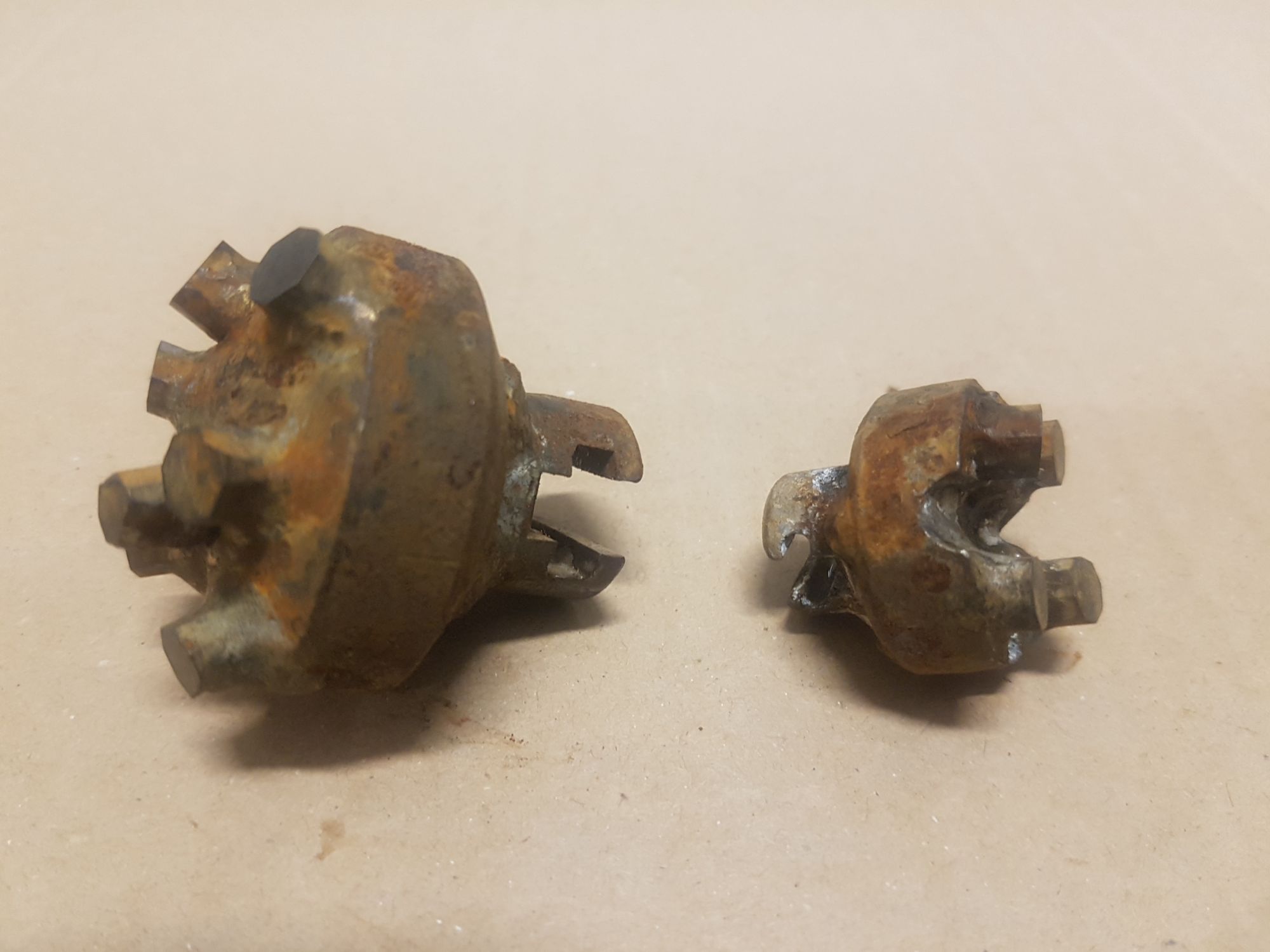
Miracle weapons to scrape ice out of the canal!
Elfagyott csatorna és Befagyott szennyvízcsatorna kiolvasztása!

Drain Problems: Frequently Asked Questions

How to clean a greasy drain?2023-05-24T09:27:47+02:00

Cleaning clogged drains often involves using degreasers to remove grease and oil from the drain walls. Using hot water can also help dissolve the grease and make it easier to drain.

How to clean a clogged drain at home?2023-05-24T09:27:00+02:00

Unclogging a clogged drain at home often involves using household products like baking soda and vinegar to unclog the clog. In addition, various drain cleaning tools, such as a drain auger, can also be helpful.

How to clean the kitchen drain?2023-05-24T09:25:53+02:00

Cleaning your kitchen drain is important to remove grease, oil, and food residue that can cause blockages. Regular cleaning will help prevent drain blockages and unpleasant odors. A combination of baking soda and hot water can be effective in dissolving grease and oil.

Why does water come back up from the drain?2023-05-24T09:25:15+02:00

If water is backing up through the drain, it is an indication that there is a blockage somewhere in the plumbing system. This problem often occurs in the sink or bathroom where water is not able to flow freely through the pipes. Baking soda is a great natural cleaner that helps dissolve grease and oil in the drain. Simply sprinkle a cup of baking soda down the drain, then pour a cup of hot water over it and let it sit for a few minutes before flushing.

Why is water coming up the floor drain?2023-05-24T09:24:34+02:00

This problem usually occurs when the floor drain becomes clogged and water cannot drain. This is often caused by debris such as hair, soap scum and other substances accumulating in the floor drain. Drain cleaning tools such as a drain cleaning spiral can be helpful in this process.

Why does water come back up from the drain?2023-05-24T09:23:50+02:00

If water is backing up through the drain, it is an indication that there is a blockage somewhere in the plumbing system. This problem often occurs in the sink or bathroom, where water cannot flow freely through the pipes. Liquid drain cleaners are commercial products specifically designed to clean drains. These products often contain strong chemicals that dissolve grease, oil, and food residue in the drain.

Why is the water draining slowly from the shower tray?2023-05-24T09:23:13+02:00

This problem is often caused by a buildup of hair, soap scum, and other substances in your shower drain. These substances slow down the flow of water and can eventually cause a clog. Salt can help unclog the drain. Sprinkle a cup of salt down the drain, then pour a cup of hot water over it and let it sit for a few minutes before flushing.

Why isn't the water draining from the sink?2023-05-24T09:16:04+02:00

This problem usually occurs when food residue, grease, or oil builds up in the drain, blocking the path of water. Over time, this can cause a blockage that prevents water from draining. You can use baking soda to solve this problem. Simply sprinkle a cup of baking soda down the drain, then pour a cup of hot water over it and let it sit for a few minutes before flushing.

More interesting articles about clogging