Drain cleaning
The drain usually works flawlessly and unnoticed. Usually. If not, then it's time for "everything bad". You can't go to the toilet, there for the painful washing up and you can't send the child to brush their teeth, because the water should drain, but that nasty dirty liquid just stands there, foams and doesn't go anywhere when that's what it should be doing. We don't usually notice the drain, we only realize that it's there when it starts to "return", the dishwater slowly trickles down, or the sewage stands in a puddle in the kitchen. Drain cleaning, sewer blockage, sewage pipe failure... This is when we come, of course only when we're called. But you see, everyone has a well-understood interest in getting rid of the blockage as quickly, as efficiently and with as little fuss as possible. If unclogging, then we come with expertise, practice and reliable, guaranteed work.
Almost without exception, housewives ask what causes a clogged sewer line? They are certainly very careful, they clean and scrub everything, as befits a clean, regular house. Yes, that's exactly it. Drain cleaning is necessary when, for example, the scouring agent slowly but surely sticks to the pipes. We believe that a lot of scouring powder is effective against burnt-on grime, but this is not true: we should use as little as possible in order to avoid clogging as much as possible. It is better to entrust drain cleaning to professionals, clog removers. We can try the rubber bell pump that grandma used. It is often enough when there is relatively little sediment in the sewer line. You can rely on home remedies, but in practice, unprofessional interventions do not solve the problem for a while. It's not because the homeowner isn't skilled enough, but let's face it, every problem, including a clogged drain, has its own protocol, tools have been developed, and professionals gain the practice over years to immediately see where and what the problem might be.
What does this mean?
Well, you have to imagine the inner wall of the sewage pipe, which is ideally completely smooth, with the prescribed, standard internal dimensions. But, if we take the previously mentioned burnt-on jerky again, then you should know that there are at least two substances in that pot that stick to the walls of the drains after a while. First, there is the grease, which can be oil and fat, of which vegetable oil is perhaps the most stubborn and tenacious. Grease is dissolved more easily by hot liquid, so if we pour boiling water into the drain, it may, perhaps, wash it down a little. Clog-removal specialists have seen a pipe hundreds, thousands of times with grease sticking to the inner wall, and small particles of cleaning agent slowly sticking to it.
In most cases, drain cleaning is necessary because: water pipe The installation masters do not leave enough slope for the drain pipes. If there is little space in the plinth or in the ceiling, they try to connect the sewage pipe to the main pipeline with the smallest possible slope. Then they concrete it all well so that if there is a problem, it is very difficult to access. Our clogging prevention specialists are happy to give advice and also tell you: it is not really advisable to clean muddy, sandy shoes in the sink. Clay soil and fine sand can stick to the wall of the drain pipe in the same way as cleaning agents. Moreover, clogging prevention specialists experience that clay sand not only sticks, but also ”sets” itself in the lower part of the sewage pipe, similar to concrete. Well, it is almost impossible to remove it from there with a pump. Despite all the home remedies, this is a stubborn stain that resists the homeowner's science, and will require a drain cleaning professional.
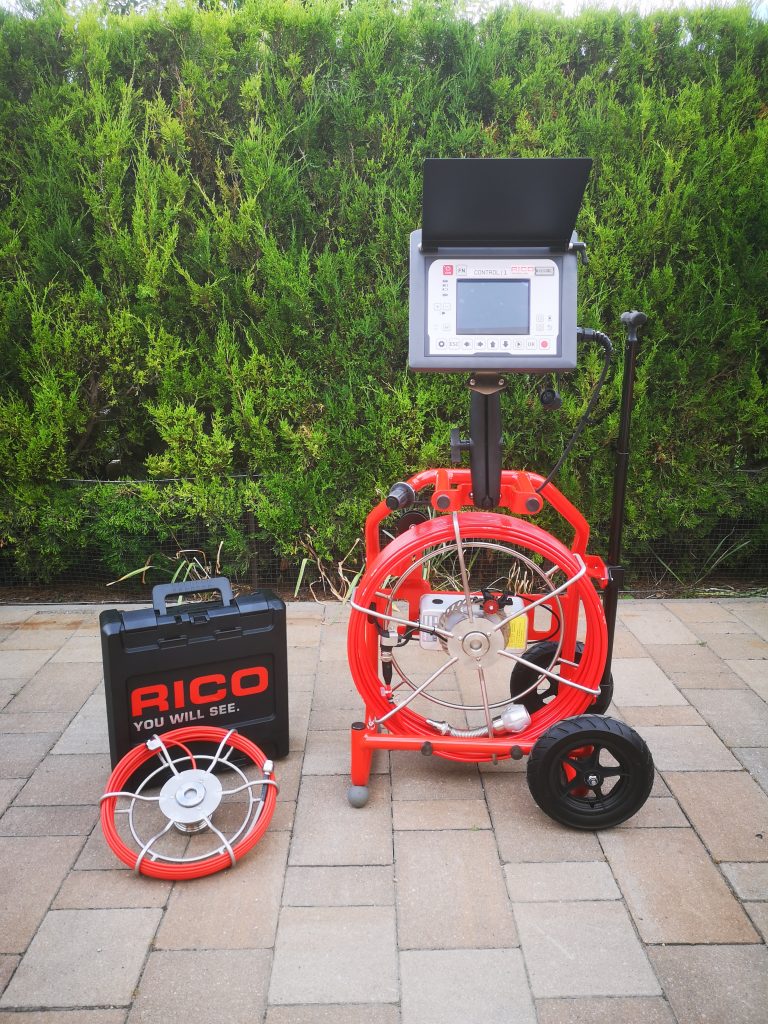
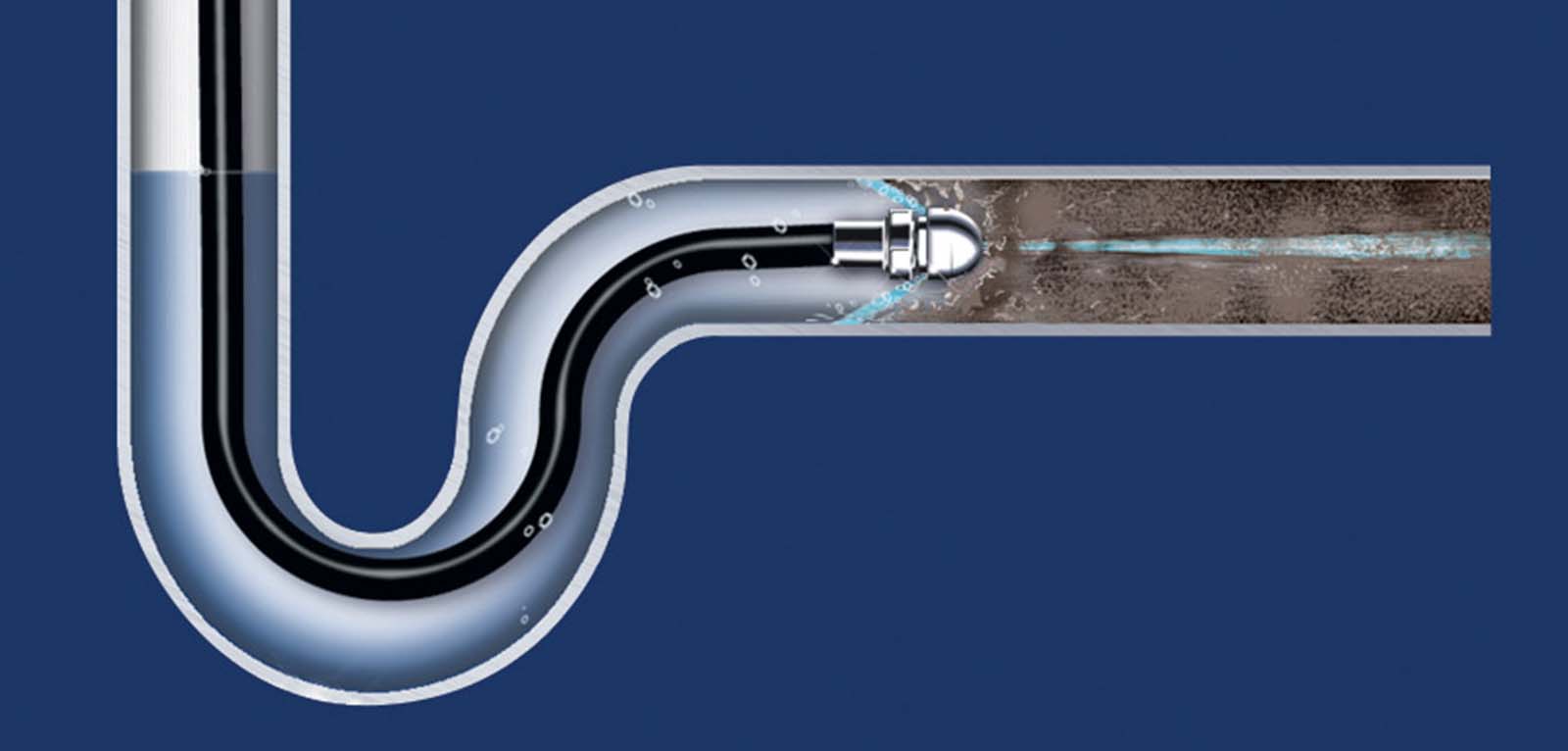
Don't delay, call us as soon as possible, so as not to get your neighbor wet too. Who knows, maybe the drain pipe connection has been damaged, or the sewage is dripping onto the mahogany table of the person living below you. We do the job with a guarantee, quickly, precisely and if possible without any damage. The aforementioned clay-muddy deposits can only be cleaned with a drain cleaning spiral in most cases. Caution! In this case, it is not worth resorting to home-made solutions either. The spiral pipe made for clog removal professionals is a sufficiently strong, strong material. It does not damage the connections during drain cleaning - in connection with this we talked about the guarantee earlier. And last but not least, this spiral will definitely not break into the drain pipe, because then there would be no fairy tale, the entire pipe would have to be dismantled. In such cases, the hair of the owner and his life partner usually stands up to the sky. And the hairstyles of the residents of the house lose their shine when we use the concrete breaker to dig out the pipe. So the good advice is, if there is a blockage, then a blockage remover. specialist must.