Everything you need to know about biological wastewater treatment, part 1
Everyone knows that clean drinking water is a treasure, especially in today's world. Hungary is in a great location in terms of water supply, a real superpower when it comes to clean water. In this series of articles, we will introduce the advantages of biological wastewater treatment, its operating principle and also tell you when it is worth using this truly useful tool.
What is the function of a sewage treatment plant?
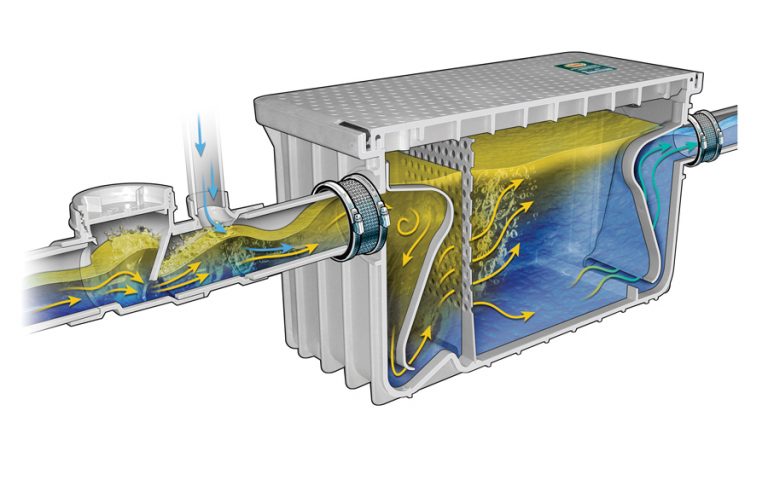
The main task of a biological wastewater treatment plant is to purify wastewater and thereby reuse it. The purified water can then be recycled back into the network, where it can easily be used for garden irrigation or sprinkling.
When is it necessary to use it?
Its application is most necessary when wastewater disposal is difficult. Even today, there are settlements, villages, and farms that sewer system partially or not at all developed. In this case, the use of biological wastewater treatment equipment is recommended.
What is wastewater made of?
Before answering questions about how a biological wastewater treatment plant works, it is important to examine what domestic wastewater is and what it consists of.
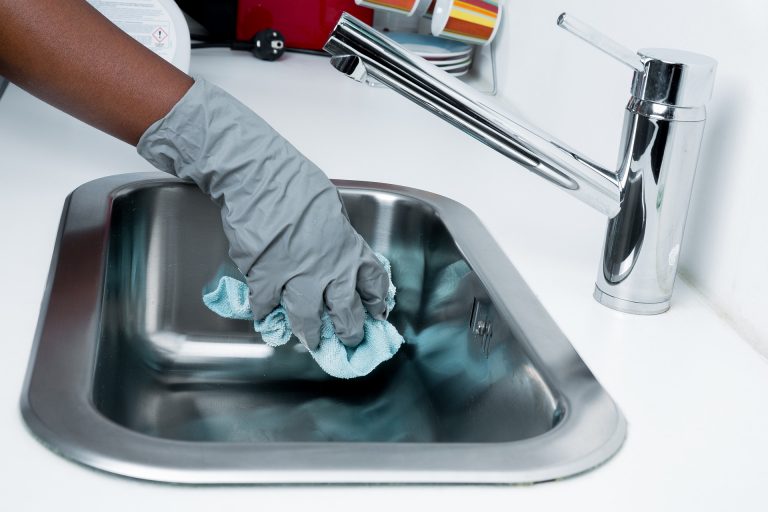
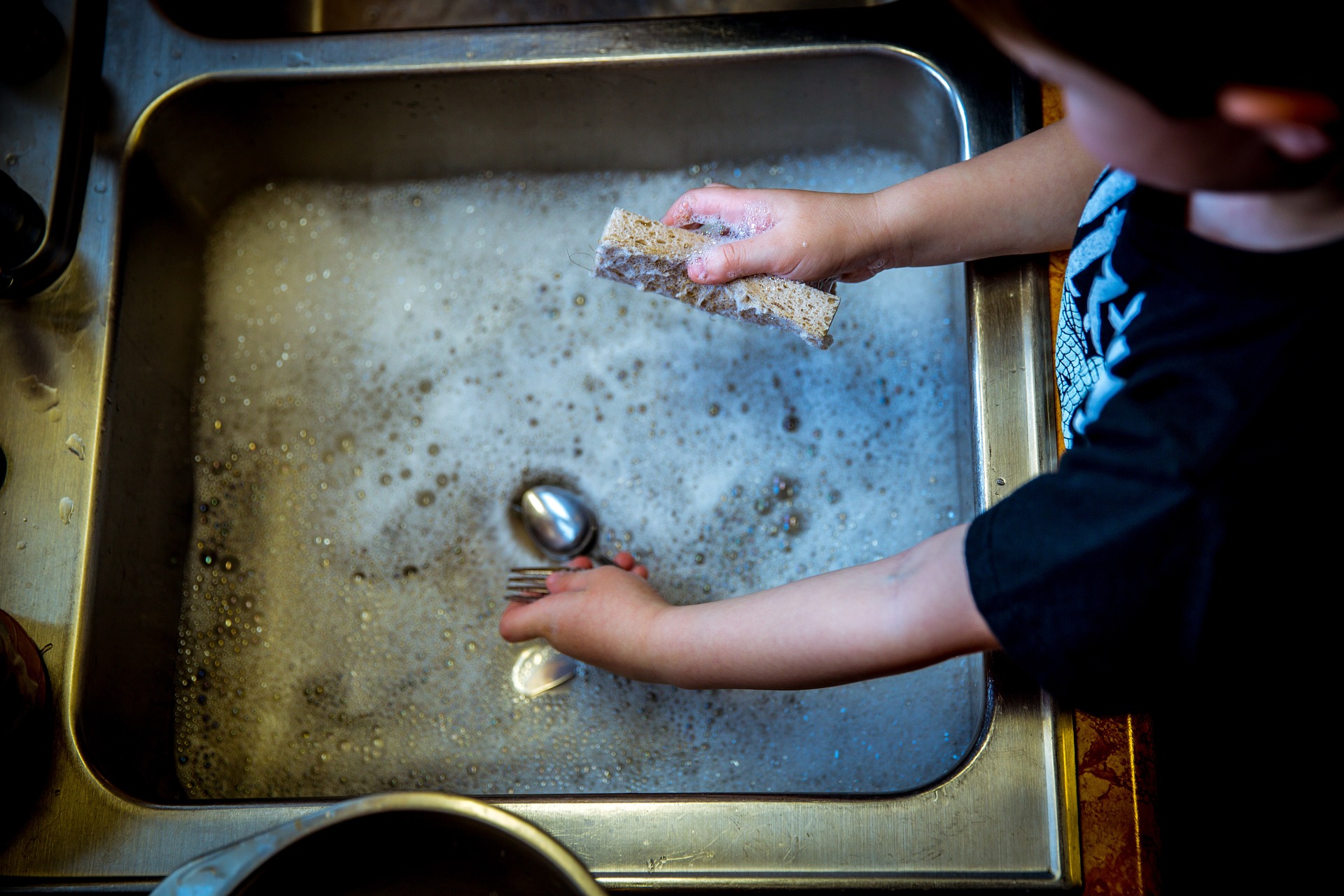
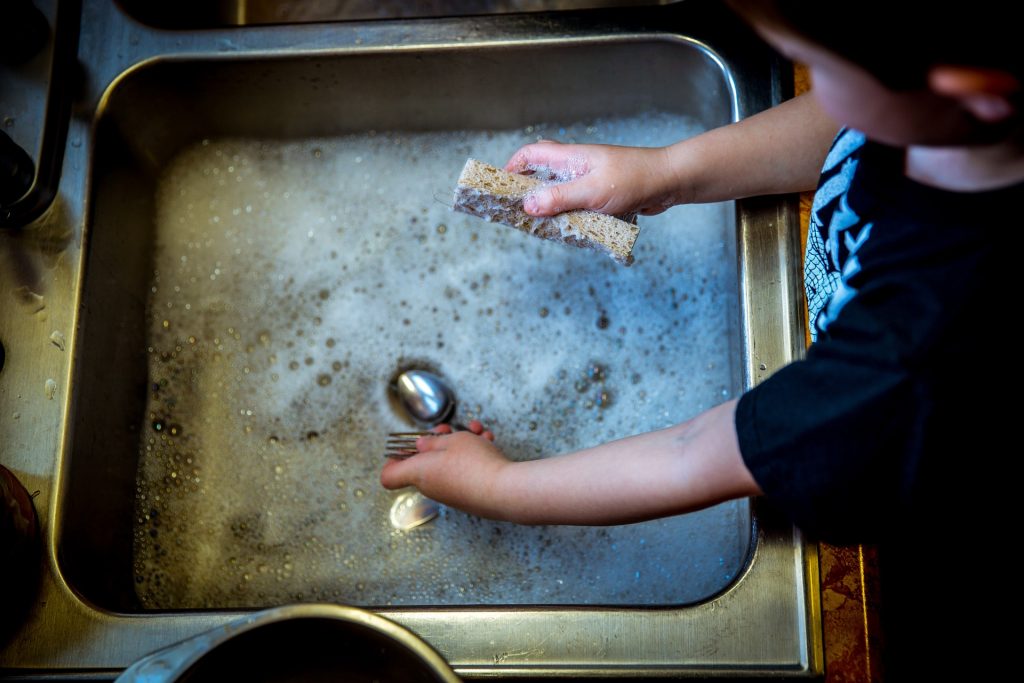
Domestic wastewater from washing dishes, laundry, bathing and toilet flushing drain consists of water.
Wastewater contains an enormous amount of pollutants, such as human cell debris, feces, leftovers, etc. Its color is usually dark gray or yellow, and its odor is unpleasant.
Organic materials: The primary pollutants in wastewater are organic substances that can decompose. Their decomposition is carried out by various naturally occurring microorganisms, for which they require a significant amount of oxygen, which they take from their environment. In the open air, this is not a problem, but in water, oxygen is only available to them to a limited extent, so they take valuable oxygen from higher organisms (such as fish), thereby deteriorating the quality of the water.
Suspended matter: The solid particles in wastewater are called suspended solids. The suspended solids content of wastewater can be determined by measurement. Suspended solids are dangerous because they can easily silt up watercourses and canals.
Other: Domestic wastewater also contains many other substances, such as those that are washed down the drain during dishwashing. fats, oil, soap residue.
Based on the above, it is clear that wastewater treatment is primarily a biological process, therefore it is of utmost importance to avoid the release of various medicines, chemicals, sprays, oils, and fats into wastewater, as these substances destroy the beneficial bacteria that help decompose wastewater.
This was supposed to be the first part of our article series, in which we wrote about wastewater and general information about wastewater treatment equipment. Curious about the continuation? Stay tuned next week, as in the second part of our article series, we will reveal the main advantages of wastewater treatment equipment and share the operating principle of the equipment with our readers.
Profi duguláselhárításra lenne szüksége? Válasszon engem és csapatomat, hiszen rendelkezésre állunk, munkánkra garanciát vállalunk, valamint ingyenesen szállunk ki In Budapest and its surroundings! Have we piqued your interest? Contact us at our phone number under the contact menu, or at Facebook on our website, where you can send us a message in addition to our weekly blog posts and find out about our current job offers!